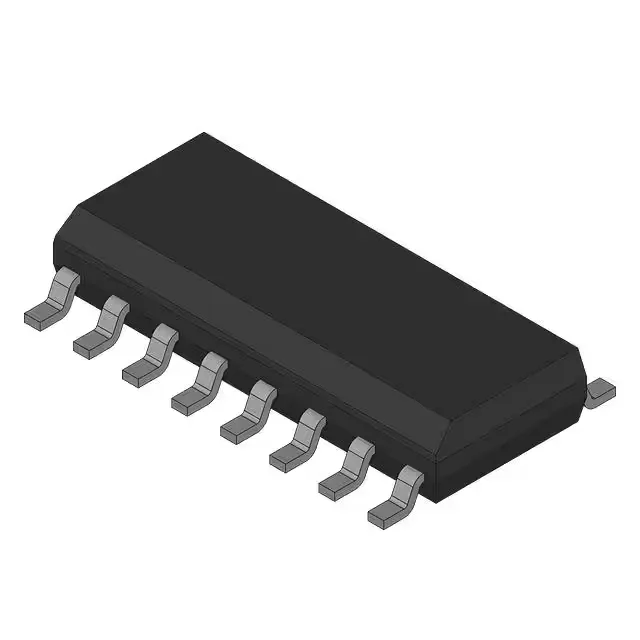
250 mA LDO with adjustable output and wide input range
The LP2952IM is a positive adjustable LDO regulator delivering 250 mA continuous output current from a 30 V maximum input rail. The output can be set anywhere from 1.23 V up to 29 V using an external resistor divider, or used in the fixed 5 V configuration by tying the adjust pin to ground. Dropout voltage is 0.8 V maximum at the full 250 mA load — the input rail must stay at least 800 mV above the programmed output voltage to maintain regulation. This is a standard LDO dropout figure for this output current class; plan the input rail margin accordingly.
Quiescent current and protection suit always-on and industrial rails
Quiescent current is 170 µA typical, rising to 33 mA maximum supply current under full load. The low idle current makes this regulator viable for battery-backed or always-on rails where the load spends most of its time in a low-power state. On-chip protection includes overcurrent limiting, overtemperature shutdown, and reverse polarity protection on the input. The reverse polarity block is a practical safeguard for systems where the input connector can be miswired — it saves an external series diode and its associated voltage drop. The enable pin allows the output to be shut down to near-zero quiescent current, useful for sequenced power-up or load disconnect in multi-rail designs.
Temperature grade and package for board-level integration
The 125°C ceiling is the absolute maximum junction temperature; derate output current above 85°C ambient per the datasheet thermal resistance for the 16-SOIC package.