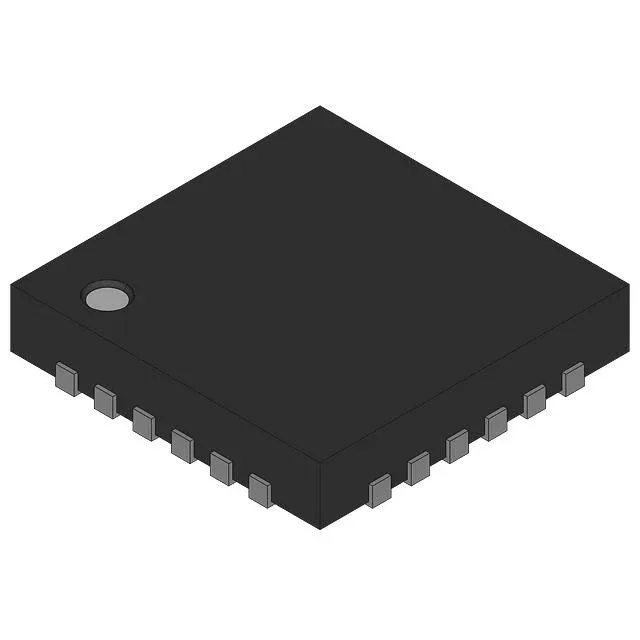
Texas Instruments LMX2331USLBX — Analog & Data Acquisition

Texas Instruments LMX2331USLBX PLL Frequency Synthesizer

MPNLMX2331USLBX
End of Life

Texas Instruments PLLatinum™ PLL Frequency Synthesizer, LMX2331USLBX, dual PLL, 2 GHz / 600 MHz max, 2.7-5.5V, CMOS/TTL input, CMOS output, 24-CSP (4.5x3.5 mm), Bulk.

$1.02Ref. price · indicative, final on quote
Packaging24-TFQFN, CSP
RoHSRoHS non-compliant
SeriesPLLatinum™
Sourced new & surplus through independent channelsAuthenticity-screened · ESD-safe packingListing updated Aug 2026

Specifications

LMX2331USLBX specifications
ParameterValue
TypePLL Frequency Synthesizer
SeriesPLLatinum™
MountingSurface Mount
Voltage2.7V ~ 5.5V
Frequency2GHz, 600MHz
Operating temperature-40°C ~ 85°C
PLLYes with Bypass
InputCMOS, TTL
OutputCMOS
PackageBulk
Case24-TFQFN, CSP
Divider (Multiplier)Yes/No
Number of circuits1
Ratio - Input:Output3:1
Differential - Input:OutputYes/No

Product details

Dual PLL frequency synthesizer — RF and IF in one CSP

The LMX2331USLBX is a dual PLL frequency synthesizer from the PLLatinum series, combining a main synthesizer rated to 2 GHz and an auxiliary synthesizer rated to 600 MHz in a single 24-pin CSP package. The 3:1 input-to-output ratio lets you select among three reference inputs for the PLL path, and the bypass mode disables the internal phase detector for direct VCO control.

Supply, interface, and temperature range

CMOS and TTL input levels are accepted; the output drives CMOS loads. The differential input accepts a differential reference while the output stays single-ended CMOS — useful when the reference source is a differential TCXO or OCXO.

Frequently asked questions

What does the PLL with bypass feature mean on the LMX2331USLBX?

The PLL with bypass mode lets the part operate as a standard phase-locked loop or bypass the internal phase detector, feeding the VCO control directly. This is useful for open-loop modulation or test modes where the PLL feedback is disabled.

Is the LMX2331USLBX RoHS compliant?

This is typical for legacy parts still specified for hi-rel or military applications where leaded solder is required or exempted.