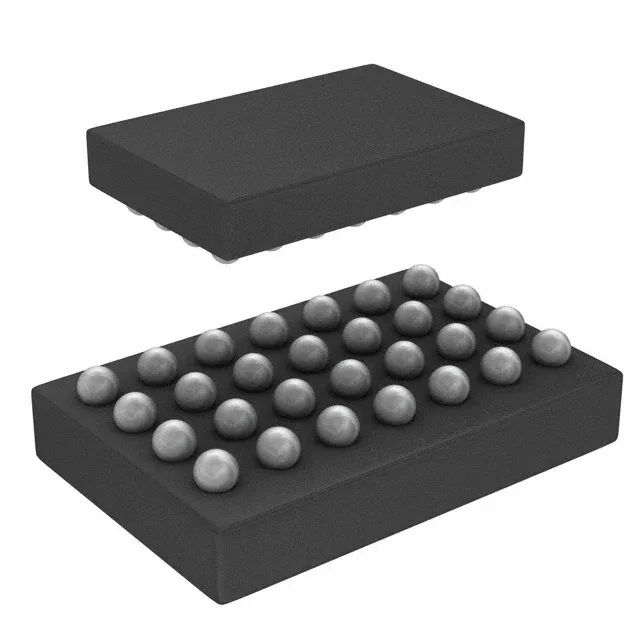
The LMR24220TL/NOPB is a SIMPLE SWITCHER® step-down (buck) regulator from Texas Instruments, delivering a continuous 2 A output from a 4.5 V to 42 V input rail. The output is adjustable from 0.8 V up to 24 V, making it a candidate for point-of-load rails that need to track a variable setpoint. The 4.5 V minimum input means it starts cleanly from a 5 V rail with margin; the 42 V maximum covers 24 V industrial buses and 36 V nominal telecom supplies.
Switching frequency and thermal limits
Switching frequency runs up to 1 MHz. At that rate the inductor and output capacitor shrink, but switching losses in the internal FETs rise linearly with frequency. The synchronous rectifier helps — the low-side FET replaces the catch diode, so the forward-drop loss that would otherwise dominate at high duty cycles is replaced by Rds(on) loss, which scales with duty cycle rather than output current. That is the full industrial band; the 125 °C ceiling means the die can sit near a hot inductor or a warm enclosure wall without derating the 2 A output, provided the PCB copper area under the DSBGA is sized to keep the junction below that limit.
Package and board-fit considerations
The 28-WFBGA / DSBGA package (0.5 mm pitch typical) requires a solder-paste stencil with apertures sized for the ball diameter — the 28-DSBGA supplier device package is the same mechanical footprint. The exposed die attach pad on the underside must be soldered to a thermal land on the PCB; the via pattern under the land sets the thermal resistance to the inner layers. The tape-and-reel (TR) and cut-tape (CT) packaging options cover both reel-fed pick-and-place and prototype hand-assembly quantities.