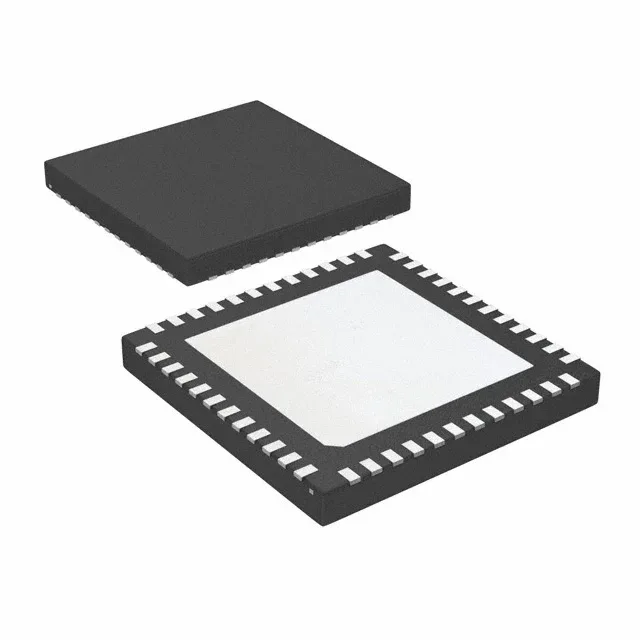
Texas Instruments LMK01010ISQE/NOPB — Clock & Timing ICs

LMK01010ISQE/NOPB 1.6 GHz Clock Fanout Buffer – Texas

MPNLMK01010ISQE/NOPB
Active

Texas Instruments LMK01010ISQE/NOPB, Fanout Buffer (Distribution), Divider, 1:8 ratio, 1.6 GHz max frequency, LVDS outputs, differential I/O, 48-WQFN (7x7) exposed pad, -40°C to 85°C, 3.15V to 3.45V supply.

$17.5500Ref. price · indicative, final on quote
Packaging48-WFQFN Exposed Pad
RoHSROHS3 Compliant
Independent supplier — new & surplus stockAuthenticity-screened · ESD-safe packingListing updated Aug 2026

Specifications

LMK01010ISQE/NOPB specifications
ParameterValue
TypeFanout Buffer (Distribution), Divider
MountingSurface Mount
Supply voltage3.15V ~ 3.45V
Frequency - max1.6 GHz
Operating temperature-40°C ~ 85°C
InputClock
OutputLVDS
PackageTape & Reel (TR) Cut Tape (CT)
Case48-WFQFN Exposed Pad
Number of circuits1
Ratio - Input:Output1:8
Differential - Input:OutputYes/Yes

Product details

1.6 GHz clock distribution in a 1:8 fanout

The LMK01010ISQE/NOPB is a 1:8 fanout buffer and divider from Texas Instruments, rated for clock frequencies up to 1.6 GHz. That 1.6 GHz ceiling means it handles high-speed serial links like 10GbE reference clocks or ADC sampling clocks without adding jitter from the distribution tree. All eight outputs are LVDS with fully differential I/O, so the signal integrity budget stays clean across a backplane or long PCB trace — the common-mode rejection rejects ground bounce that would corrupt a single-ended clock.

The supply range is a tight 3.15V to 3.45V — this part needs a regulated 3.3V rail, not a raw battery or a loosely-tolerated LDO.

Frequently asked questions

What is the difference between LMK01010 and LMK01000?

The LMK01010 and LMK01000 are different base product numbers. The LMK01010 is a 1:8 fanout buffer/divider with LVDS outputs; the LMK01000 is a different device in the same family. Pin compatibility is not guaranteed — check the respective datasheets for the exact pinout and feature set before substituting.