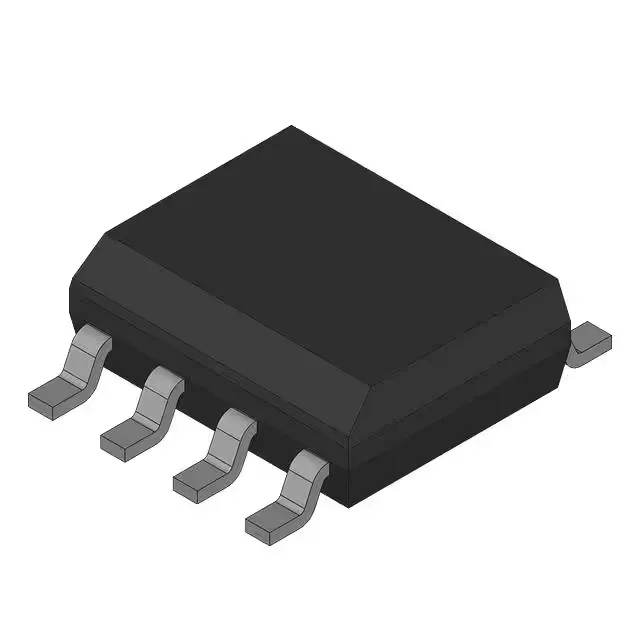
Texas Instruments LMH6622MA — Analog & Data Acquisition

LMH6622MA Dual Voltage Feedback Op-Amp, 160 MHz, 85 V/µs

MPNLMH6622MA
End of Life

Texas Instruments LMH6622MA, LMH® series, dual voltage feedback op-amp, 160 MHz -3 dB bandwidth, 85 V/µs slew rate, 5 V to 12 V supply, 8-SOIC package, -40°C to 85°C.

$2.26Ref. price · indicative, final on quote
Packaging8-SOIC (0.154", 3.90mm Width)
RoHSRoHS non-compliant
SeriesLMH®
Independent supplier — new & surplus stockAuthenticity-screened · ESD-safe packingListing updated Aug 2026

Specifications

LMH6622MA specifications
ParameterValue
SeriesLMH®
Output typeDifferential
MountingSurface Mount
Amplifier typeVoltage Feedback
Voltage - input offset200 µV
Voltage - supply span12 V
Current - supply4.3mA (x2 Channels)
Current - input bias4.7 µA
Current - output (Channel)90 mA
Operating temperature-40°C ~ 85°C
-3db bandwidth160 MHz
PackageBulk
Slew rate85V/µs
Case8-SOIC (0.154\", 3.90mm Width)
Number of circuits2

Product details

Dual 160 MHz voltage feedback amplifier in SOIC-8

Output capability is 90 mA per channel, with a differential output stage. The 8-SOIC package (0.154" width) keeps the board footprint small and matches standard SOIC-8 land patterns.

Rated for a supply span from 5 V to 12 V, the LMH6622MA works in common 5 V single-supply systems as well as ±6 V split-rail designs. Input offset voltage is 200 µV typical, input bias current is 4.7 µA, and the output can source or sink 90 mA per channel.

It is RoHS non-compliant (lead-bearing finish), so verify your assembly line's exemption or waiver if you require RoHS compliance.

Frequently asked questions

What is the LMH6622MA equivalent or replacement?

The LMH6622MA is a dual voltage feedback amplifier with 160 MHz bandwidth and 85 V/µs slew rate. A single-channel alternative with higher bandwidth is the THS4215DRBT (350 MHz, 970 V/µs), but it is not a pin-compatible dual. For a lower-speed, lower-power dual, the TLV9362IDDFR (10.6 MHz, 25 V/µs) offers rail-to-rail output. Neither is a direct drop-in; verify your bandwidth and supply requirements before substituting.

Can I use LMH6622MA in a single-supply circuit?

Yes. The input common-mode range and output swing are not rail-to-rail, so you need to bias the inputs within the common-mode range and account for the output voltage swing relative to the rails. For single-supply applications, a virtual ground at mid-supply is typical.