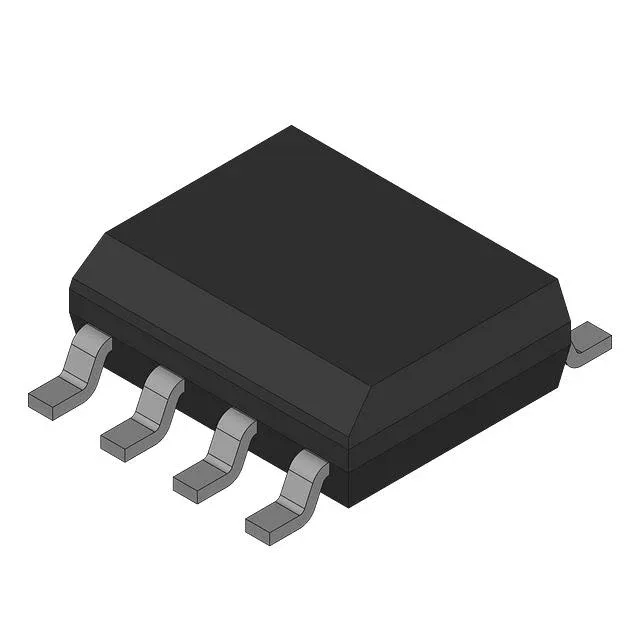
Texas Instruments LMH6619MAX/NOPB — Analog & Data Acquisition

LMH6619MAX/NOPB Voltage Feedback Op-Amp, 140 MHz, 57 V/µs

MPNLMH6619MAX/NOPB
End of Life

Texas Instruments LMH6619MAX/NOPB, dual voltage-feedback op-amp, 140 MHz -3 dB bandwidth, 57 V/µs slew rate, rail-to-rail output, 2.7 V to 11 V supply, 8-SOIC package, -40°C to 125°C.

$2.31Ref. price · indicative, final on quote
Packaging8-SOIC (0.154", 3.90mm Width)
RoHSROHS3 Compliant
Independent supplier — new & surplus stockAuthenticity-screened · ESD-safe packingListing updated Aug 2026

Specifications

LMH6619MAX/NOPB specifications
ParameterValue
Output typeRail-to-Rail
MountingSurface Mount
Amplifier typeVoltage Feedback
Voltage - input offset100 µV
Voltage - supply span2.7 V
Current - supply1.45mA (x2 Channels)
Current - input bias1.4 µA
Current - output (Channel)35 mA
Operating temperature-40°C ~ 125°C
-3db bandwidth140 MHz
Gain bandwidth product58 MHz
PackageTape & Reel (TR)
Slew rate57V/µs
Case8-SOIC (0.154\", 3.90mm Width)
Number of circuits2

Product details

For a 2 Vpp output swing, the large-signal bandwidth is roughly 4.5 MHz — enough for composite video or fast ADC input buffers. The 35 mA output current per channel drives 50 Ω loads or multiple ADC inputs directly.

Supply range and input offset

Input offset voltage is 100 µV typical, which keeps DC errors low in precision gain stages. Input bias current is 1.4 µA — a bipolar input stage, so source impedance matters: keep feedback resistors below 10 kΩ to avoid offset drift from bias current.

The NOPB suffix confirms lead-free (Pb-free) finish per TI's green packaging directive.

Frequently asked questions

What is the difference between LMH6619 and LMH6618?

The LMH6618 is a single-channel version of the same voltage-feedback amplifier core; the LMH6619 provides two amplifiers in one 8-SOIC package. All other key specifications — 140 MHz bandwidth, 57 V/µs slew rate, rail-to-rail output, 2.7 V to 11 V supply — are identical between the two.

Can LMH6619 be used as a comparator?

The LMH6619 is not designed or specified for comparator operation. It lacks the open-collector output and hysteresis control of a dedicated comparator. Using it open-loop as a comparator risks phase inversion and excessive propagation delay; a proper comparator like the TLV3501 is a better fit for that function.