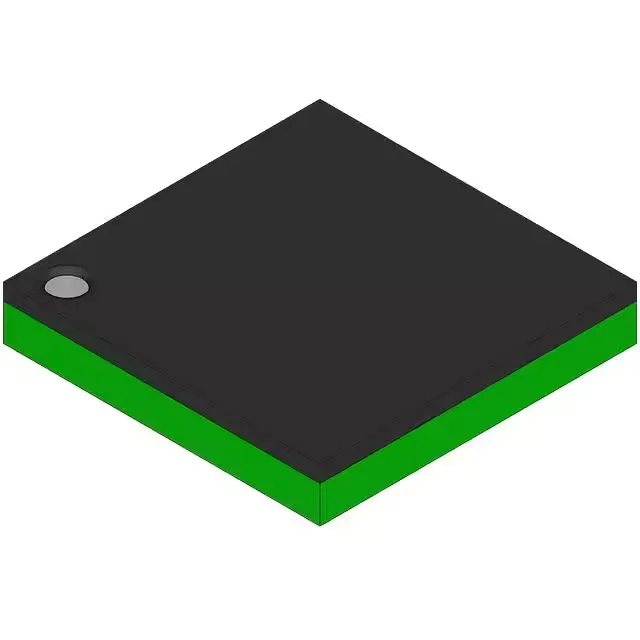
Texas Instruments LM8333GGR8AXS/NOPB — Sensors & Transducers

LM8333GGR8AXS/NOPB – TI Mobile I/O Companion Controller

MPNLM8333GGR8AXS/NOPB
End of Life

Texas Instruments LM8333GGR8AXS/NOPB, mobile I/O companion controller, 2.25V–2.9V supply, 6 mA supply current, -40°C to 85°C, 49-ball CSPBGA (4x4 mm), Bulk packaging.

$1.6Ref. price · indicative, final on quote
Packaging49-TFBGA, CSPBGA
StockContact for availability
MOQ1 pcs
  • 100% new & originalTraceable channels only — no refurbs, no pulls, no remarked parts.
  • Date & lot codes on quoteStated per line before you commit; label photos on request.
  • MSL-compliant ESD packingMoisture-sealed bags with indicator cards; reels photo-verified.
  • PayPal buyer protectionPay by T/T, PayPal or Payoneer — card payments covered end to end.

Specifications

LM8333GGR8AXS/NOPB Technical Specifications
ParameterValue
Voltage2.25V ~ 2.9V
Current - supply6mA
InterfaceACCESS.bus, I²C
Operating temperature-40°C ~ 85°C
PackageBulk
FunctionController
Case49-TFBGA, CSPBGA

Product details

What this mobile I/O companion does

The LM8333GGR8AXS/NOPB is a dedicated controller that offloads keypad, GPIO, and accessory management from the main application processor in mobile handsets and portable devices. It communicates over I²C or ACCESS.bus, so the host only sees register reads instead of polling discrete inputs. Supply range is 2.25V to 2.9V — it runs directly off a 2.5V or 2.8V battery rail without a separate LDO. The 6 mA typical supply current keeps the power draw negligible in sleep-heavy designs.

Package and temperature grade for the BOM

Housed in a 49-ball CSPBGA (4x4 mm) — the ball pitch demands a controlled-impedance fan-out on a 4-layer PCB.

Sourcing and availability for LM8333GGR8AXS/NOPB

We source it through our multi-distributor network — submit an RFQ for current pricing and lead time against your BOM quantity.

Frequently asked questions

What is the LM8333 used for?

It is a mobile I/O companion controller that handles keypad scanning, GPIO expansion, and accessory detection over I²C or ACCESS.bus, reducing host processor overhead in portable devices.