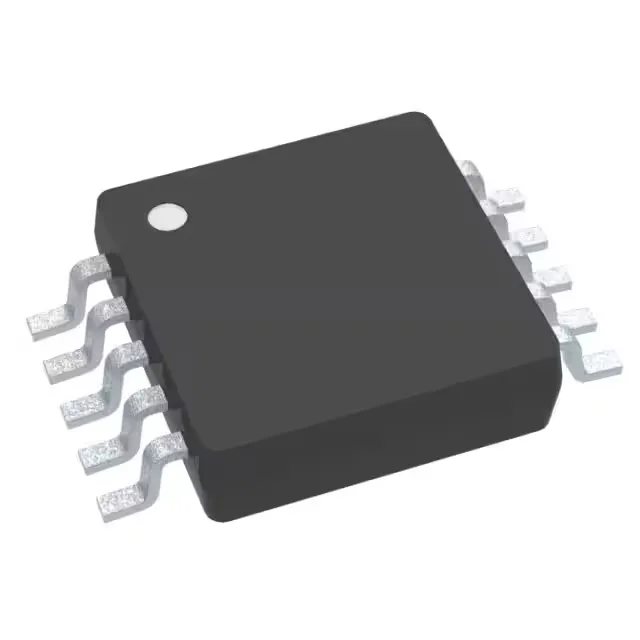
Texas Instruments LM5069MMX-1 — Logic ICs

LM5069MMX-1 Hot Swap Controller, 9V-80V, Obsolete

MPNLM5069MMX-1
Obsolete

Texas Instruments LM5069MMX-1 Hot Swap Controller, single channel, 9V to 80V supply, latched fault, programmable current limit/OVP/UVLO, -40°C to 125°C, 10-VSSOP.

$2.9400Ref. price · indicative, final on quote
Independent supplier — new & surplus stockAuthenticity-screened · ESD-safe packingListing updated Jul 2026

Specifications

LM5069MMX-1 specifications
ParameterValue
TypeHot Swap Controller
MountingSurface Mount
Supply voltage9V ~ 80V
Current - supply1.3 mA
Operating temperature-40°C~125°C
PackageTape & Reel (TR)
FeaturesLatched Fault
ApplicationsGeneral Purpose
Case10-TFSOP, 10-MSOP (0.118\", 3.00mm Width)
Internal switchNo
Channels1
Programmable featuresCurrent Limit, Fault Timeout, OVP, UVLO

Product details

It uses an external N-channel pass FET — no internal switch — so the current rating is set by the MOSFET and sense resistor you pair with it.

Programmable protection thresholds

Four programmable features — current limit, fault timeout, overvoltage protection (OVP), and undervoltage lockout (UVLO) — let you set the trip points with external resistor dividers. The latched fault behaviour (LM5069MMX-1 variant) shuts the gate off on a fault and holds it off until the supply is cycled, which is the right response for applications where automatic retry could feed a sustained overcurrent.

No official successor is listed on the record. The LM5069MMX-2 variant shares the same base number and package but differs in fault response — verify the fault-handling behaviour needed for your design before cross-referencing.

10-VSSOP package — footprint and layout

Frequently asked questions

What is the difference between LM5069MMX-1 and LM5069MMX-2?

Both share the same base product number LM5069 and the same 10-VSSOP package, but the LM5069MMX-1 has a latched fault response — it shuts off and stays off until the input supply is cycled. The LM5069MMX-2 uses an automatic retry behaviour. Choose the variant that matches your system's fault recovery strategy.