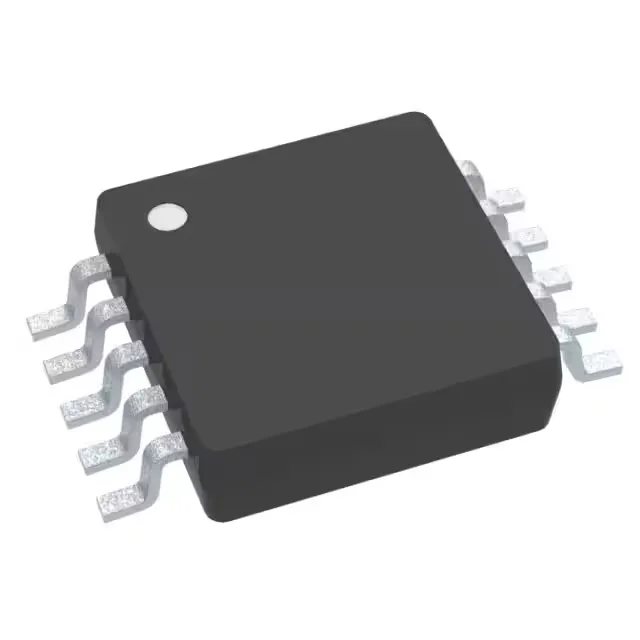
Texas Instruments LM5069MM-2/NOPB — Power Management (PMIC / Gate Driver)

Texas Instruments LM5069MM-2/NOPB Hot Swap Controller

MPNLM5069MM-2/NOPB
Active

Texas Instruments LM5069MM-2/NOPB, Hot Swap Controller, 9V to 80V supply, -40°C to 125°C, 1.3 mA supply current, 10-VSSOP package, auto retry, programmable current limit, fault timeout, OVP, UVLO.

$4.2900Ref. price · indicative, final on quote
Independent supplier — new & surplus stockAuthenticity-screened · ESD-safe packingListing updated Jul 2026

Specifications

LM5069MM-2/NOPB specifications
ParameterValue
TypeHot Swap Controller
MountingSurface Mount
Supply voltage9V ~ 80V
Current - supply1.3 mA
Operating temperature-40°C~125°C
PackageTape & Reel (TR); Cut Tape (CT)
FeaturesAuto Retry
ApplicationsGeneral Purpose
Case10-TFSOP, 10-MSOP (0.118\", 3.00mm Width)
Internal switchNo
Channels1
Programmable featuresCurrent Limit, Fault Timeout, OVP, UVLO

Product details

9V to 80V hot swap controller — what it handles

It is a general-purpose part — not locked to telecom or automotive — so it fits 12V, 24V, and 48V industrial backplanes, power distribution boards, and any board that needs controlled power-up and fault protection. The controller does not integrate the power MOSFET (no internal switch), so you pair it with an external N-channel FET sized for your load current.

Programmable protection: current limit, OVP, UVLO, fault timeout

This version (LM5069MM-2) features auto retry after a fault clears — useful for remote or unattended equipment where a manual reset isn't practical. You set the current limit threshold, overvoltage protection (OVP) trip point, undervoltage lockout (UVLO) levels, and the fault timeout period with external resistors and a capacitor. The 1.3 mA supply current is the controller's own draw; the load current is handled by the external FET.

Frequently asked questions

What is the difference between LM5069MM-2 and LM5069MM-1?

The LM5069MM-2 variant features auto retry after a fault clears, while the LM5069MM-1 latches off and requires a power cycle or enable toggle to reset. Both are otherwise pin-compatible and share the same 9V to 80V supply range, programmable current limit, OVP, UVLO, and fault timeout. The choice depends on whether you want automatic recovery (MM-2) or latched fault handling (MM-1).