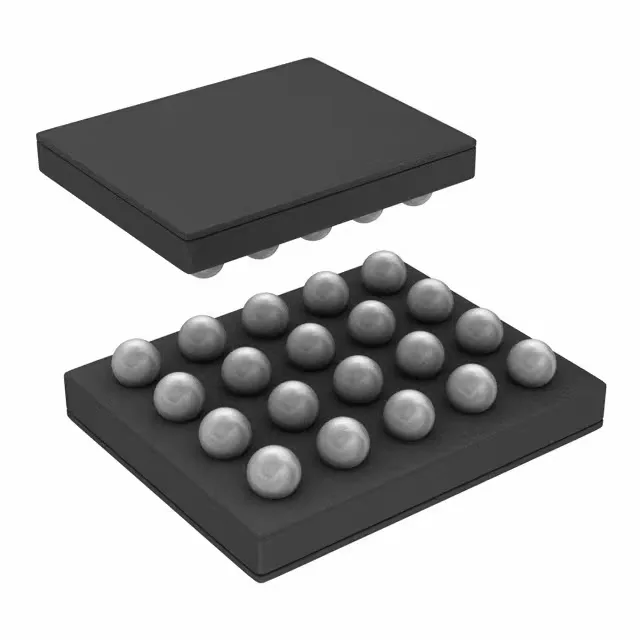
Texas Instruments LM4921ITL/NOPB — Analog & Data Acquisition

LM4921ITL/NOPB Class AB Stereo Headphone Amp, 50mW, I²S/SPI

MPNLM4921ITL/NOPB
End of Life

Texas Instruments Boomer® series, LM4921ITL/NOPB, Class AB stereo headphone amplifier, 50mW x 2 into 32Ω, I²S/SPI digital input, 2.6V–5.5V supply, -40°C to 85°C, 20-DSBGA package.

$4.06Ref. price · indicative, final on quote
Packaging20-WFBGA, DSBGA
RoHSROHS3 Compliant
SeriesBoomer®
Independent supplier — new & surplus stockAuthenticity-screened · ESD-safe packingListing updated Aug 2026

Specifications

LM4921ITL/NOPB specifications
ParameterValue
TypeClass AB
SeriesBoomer®
Output typeHeadphones, 2-Channel (Stereo)
MountingSurface Mount
Supply voltage2.6V ~ 5.5V
Max output power x channels @ load50mW x 2 @ 32Ohm
Operating temperature-40°C ~ 85°C (TA)
PackageTape & Reel (TR); Cut Tape (CT)
FeaturesDAC, I²S, Mute, Shutdown, SPI, Standby, Thermal Protection, Volume Control
Case20-WFBGA, DSBGA

Product details

Class AB headphone driver with digital audio interface

On-chip features include mute, shutdown, standby, thermal protection, and volume control, all accessible through the digital interface.

The 50 mW per channel into 32 Ω is the headline output rating. The digital input (I²S/SPI) means the upstream processor or FPGA sends audio data directly, saving the cost and board area of an external DAC.

Active lifecycle — no obsolescence contingency needed

There is no NRND or last-time-buy notice on this part, so procurement can qualify it into a production BOM without planning for a near-term replacement.

Because the lifecycle is Active and there is no EOL risk, the lead time is generally stable — submit an RFQ for the quantity and target delivery window.

Frequently asked questions

What is the output power of LM4921ITL/NOPB?

The LM4921ITL/NOPB delivers 50 mW per channel into a 32 Ω load, stereo.

Does LM4921ITL/NOPB have an I2S interface?

Yes, the LM4921ITL/NOPB includes an I²S digital audio interface, along with SPI for control, mute, shutdown, standby, and volume control.