Texas Instruments LM4051CEM3X-ADJ/NOPB — Analog & Data Acquisition

LM4051CEM3X-ADJ/NOPB Adjustable Shunt Voltage Reference

MPNLM4051CEM3X-ADJ/NOPB
End of Life

Texas Instruments LM4051CEM3X-ADJ/NOPB, adjustable shunt voltage reference, output 1.212 V to 10 V, ±0.5% tolerance, 50 ppm/°C temperature coefficient, 12 mA output, SOT-23-3, -40°C to 125°C.

Independent supplier — new & surplus stockAuthenticity-screened · ESD-safe packingListing updated Jul 2026

Specifications

LM4051CEM3X-ADJ/NOPB specifications
ParameterValue
Output typeAdjustable
MountingSurface Mount
Reference typeShunt
Voltage - output10 V
Voltage - output (Min (Fixed))1.212V
Output current12 mA
Current - cathode75 µA
Operating temperature-40°C~125°C(TA)
PackageTape & Reel (TR)
Tolerance±0.5%
CaseTO-236-3, SC-59, SOT-23-3
Noise - 10Hz to 10kHz20µVrms
Temperature coefficient50ppm/°C

Product details

Adjustable shunt reference for precision bias and ADC references

The shunt topology means it behaves like a Zener diode — it sinks current from a supply through a bias resistor, regulating the voltage at the cathode.

Output range and bias resistor sizing

The minimum output is 1.212 V; the maximum is 10 V. The cathode current must stay between 75 µA and 12 mA.

Noise performance for precision measurement

That is low enough for 12-bit ADC references without additional filtering in most industrial signal chains. If the application uses a 10 V output, the noise scales with the output voltage — the 20 µVrms figure is at the bandgap level; expect proportionally higher noise at the programmed output. A 0.1 µF bypass cap at the cathode pin helps suppress high-frequency noise coupled from the supply.

SOT-23-3 package and board integration

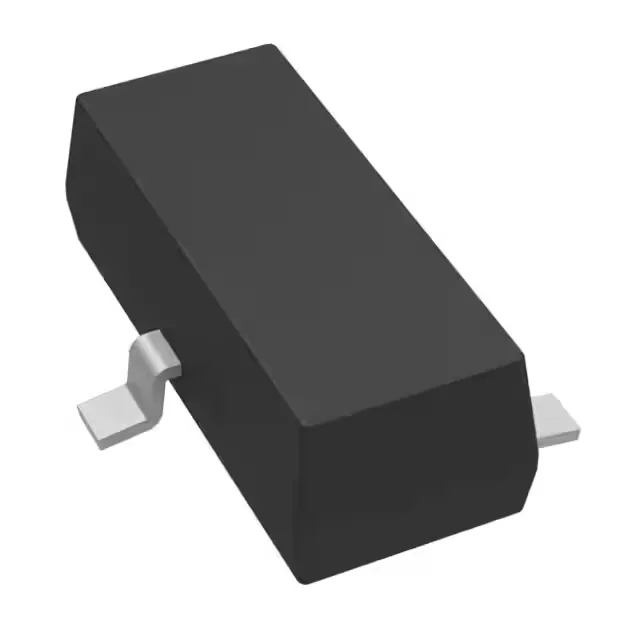
The part comes in a three-lead SOT-23-3 (TO-236-3, SC-59) package. The small footprint suits dense mixed-signal boards.

Frequently asked questions

Can LM4051CEM3X-ADJ/NOPB be used as a voltage reference for an ADC?

Yes. The ±0.5% tolerance and 50 ppm/°C drift are adequate for 8- to 10-bit converters without calibration. For 12-bit or higher, the drift and noise (20 µVrms) may require a system calibration step or a lower-drift reference.