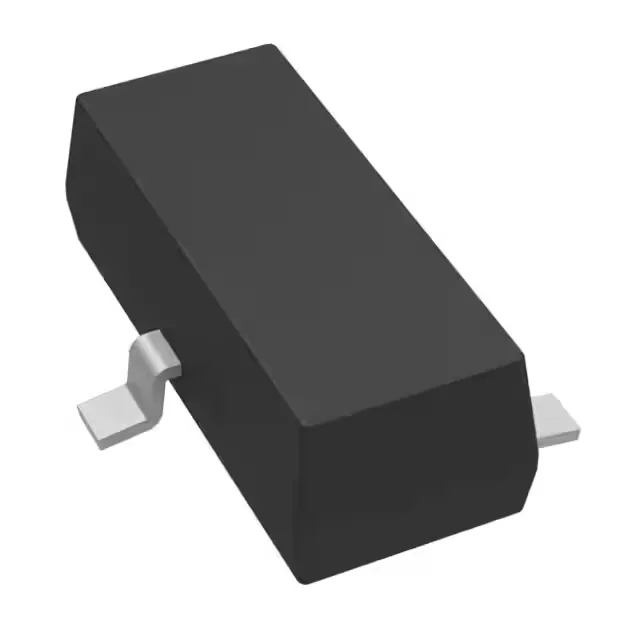
Texas Instruments LM4051BEM3-1.2 — Analog & Data Acquisition

LM4051BEM3-1.2 Shunt Voltage Reference, 1.225 V, ±0.2%

MPNLM4051BEM3-1.2
NRND

Texas Instruments LM4051BEM3-1.2, precision shunt voltage reference, fixed 1.225 V output, ±0.2% tolerance, 50 ppm/°C temperature coefficient, 12 mA output, SOT-23-3 package, -40°C to 125°C.

$1.4340Ref. price · indicative, final on quote
Independent supplier — new & surplus stockAuthenticity-screened · ESD-safe packingListing updated Jul 2026

Specifications

LM4051BEM3-1.2 specifications
ParameterValue
Output typeFixed
MountingSurface Mount
Reference typeShunt
Voltage - output (Min (Fixed))1.225V
Output current12 mA
Current - cathode65 µA
Operating temperature-40°C~125°C(TA)
PackageTape & Reel (TR)
Tolerance±0.2%
CaseTO-236-3, SC-59, SOT-23-3
Noise - 10Hz to 10kHz20µVrms
Temperature coefficient50ppm/°C

Product details

The LM4051BEM3-1.2 is a precision shunt voltage reference from Texas Instruments delivering a fixed 1.225 V output with ±0.2% initial tolerance. As a shunt (two-terminal) reference, it behaves like a Zener diode — a series resistor sets the bias current from the supply, and the reference regulates by shunting current to ground. The 12 mA maximum cathode current defines the load-driving ceiling and the minimum resistor value needed to keep the device in regulation across the supply range.

Temperature drift and noise — precision-grade stability

A temperature coefficient of 50 ppm/°C means the output voltage shifts by 61 µV per degree Celsius — tight enough for 12-bit ADC references in industrial control loops. The 20 µVrms noise (10 Hz to 10 kHz) is low enough that external filtering is optional for most 10- to 12-bit systems.

NRND status — plan the BOM transition

It remains available for existing production runs and repairs, but new designs should evaluate a pin-compatible successor before committing the BOM.

Frequently asked questions

Is LM4051BEM3-1.2 obsolete?

It is still available for existing production and repair orders, but new designs should migrate to a current-production alternative.