3V shunt reference — what the ±1% and 150 ppm/°C mean for your BOM
That ±1% means the output sits between 2.97V and 3.03V at 25°C — tight enough for a 12-bit ADC reference or a comparator threshold, but not a 16-bit system where you would reach for a ±0.1% or better part. The temperature coefficient is 150 ppm/°C. For a 12-bit ADC with a 3V reference, that drift eats into about 37 LSBs of the available code range. If your system calibrates at room temperature and runs hot, budget that drift into the error stack.
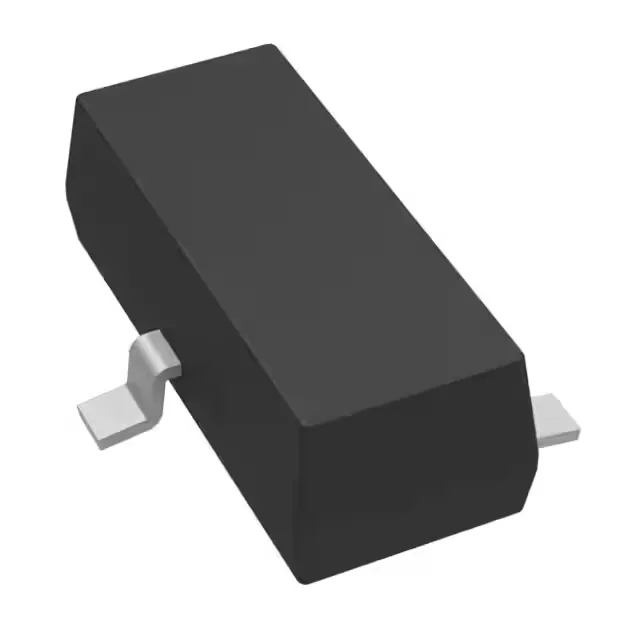
SOT-23-3 footprint and shunt biasing
The LM4040DIM3-3.0 comes in the SOT-23-3 package (also listed as TO-236-3 or SC-59 — same footprint, different case code). The three pins are cathode, anode, and a no-connect. The cathode is the output and the anode goes to ground. As a shunt reference, the LM4040DIM3-3.0 needs a series resistor from the supply to the cathode to set the bias current. The minimum cathode current is 70 µA — the resistor must be sized so the current through the shunt never drops below that, even at minimum supply voltage and maximum load current. The maximum output current is 15 mA, which also limits how much load the reference can source. A typical biasing resistor for a 5V rail feeding a 1 mA load would be around 1.8 kΩ.
Noise floor for precision applications
That is about 12 ppm of the 3V output — quiet enough for most 12-bit ADC reference applications, but a series reference like the LM4132 would typically offer lower noise at the cost of a higher dropout voltage and different biasing topology.
Texas Instruments no longer manufactures this exact variant in production volumes. No official TI successor order code is listed for this specific 3V ±1% SOT-23-3 variant. If your BOM needs a pin-compatible shunt reference in SOT-23-3, the LM4040 family includes many active voltage options and tolerance grades.