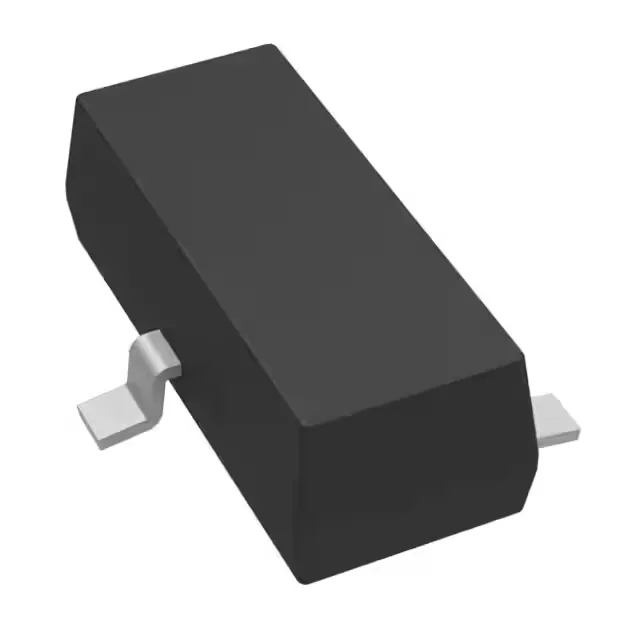
2.5 V shunt reference with ±1% initial accuracy
The reference type is shunt, meaning it behaves as a two-terminal Zener-like device — the load and a bias resistor set the operating current, and the reference regulates by shunting current through its cathode to ground.
Noise, drift, and temperature range — bench-fit check
That drift matters if the reference sits in an outdoor telecom or factory automation enclosure where the ambient swings tens of degrees. The 85°C ceiling is fine for a PCB inside a ventilated cabinet; for an under-hood or engine-bay install you would step up to the automotive-grade LM4040 variant.
Current limits and bias resistor sizing
The shunt reference can sink up to 15 mA of output current — that is the total current through the reference plus the load. Minimum cathode current is 80 µA, which sets the floor for the bias resistor value. For a typical 5 V rail feeding a 2.5 V reference, the bias resistor sees about 2.5 V across it; to stay above 80 µA the resistor must be less than 31 kΩ. That is a wide margin in most designs.
This part is a standard catalog item from Texas Instruments, widely available through distribution.