2.048 V shunt reference — what the key ratings mean for your ADC bias rail
This voltage is a common reference for 12- and 16-bit SAR ADCs that use a 2.048 V or 4.096 V full-scale input range, because the 2.048 V level simplifies ratio metric measurements and gives a 1 mV per LSB at 11 bits. The shunt topology means it behaves like a two-terminal Zener diode — it needs a bias resistor from the supply to set the cathode current, and the 80 µA minimum cathode current sets the floor for that resistor's value. At 15 mA maximum output current, it can source enough current to bias the reference input of most ADCs and a handful of op-amp stages, but not a power-hungry load. The 150 ppm/°C temperature coefficient means the output voltage will shift about 19.5 mV over the full -40°C to 85°C range, which is adequate for 0.1% system accuracy but not for metrology-grade designs.
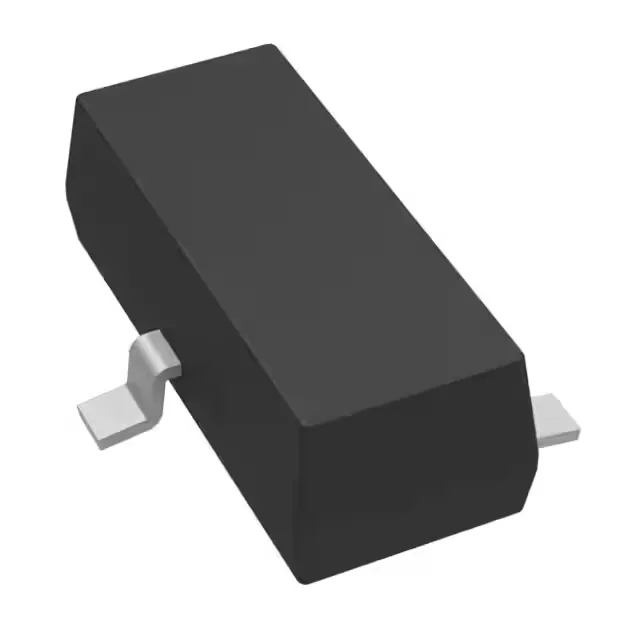
The part comes in a standard SOT-23-3 package, which is a three-lead small-outline transistor package. It's a friendly package for hand assembly and rework: the leads are on 0.95 mm pitch, and the body is small enough that a hot-air station at 300°C with a fine nozzle will lift it cleanly in about 15 seconds. The orientation mark is a pin 1 dot on the top of the package — easy to spot under a microscope. It's MSL 1 typically for these parts, so no bake required before reflow unless the bag has been open for months in a humid environment. The SOT-23-3 footprint is standard across many shunt references, so swapping in a different LM4040 grade or a competitor like the LT1004 is usually a drop-in if the pinout matches.