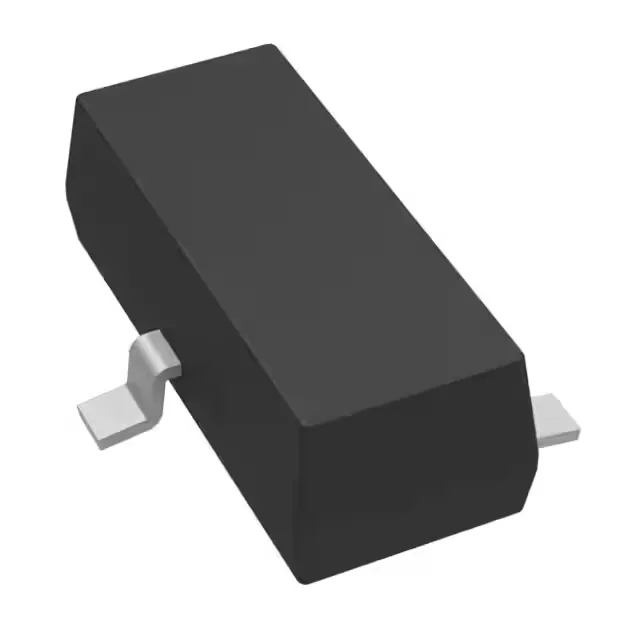
The Texas Instruments LM4040D20IDBZR is a precision shunt voltage reference with a fixed 2.048 V output, ±1% initial tolerance, and a maximum output current of 15 mA. It operates as a shunt (two-terminal) device, meaning it behaves like a Zener diode: you set the bias current with a series resistor from the supply, and the reference sinks enough cathode current (minimum 80 µA) to regulate the output. Typical applications include biasing the reference input of an ADC or DAC, setting a comparator threshold, or providing a stable voltage for a power-supply feedback divider in industrial control, battery-powered instrumentation, and telecom equipment.
Because this is a shunt reference, the design needs an external series resistor between the supply rail and the reference's cathode pin. The resistor value is chosen so that the total current through it (load current plus the reference's cathode current) stays above the 80 µA minimum and below the 15 mA maximum under all line and load conditions. That resistor adds two components to the BOM but gives you the flexibility to set the bias current for best noise or lowest power. The 35 µVrms noise spec (10 Hz to 10 kHz) is respectable for a shunt reference in this price tier – clean enough for a 12-bit ADC reference without external filtering in most cases.
The 150 ppm/°C temperature coefficient means the output voltage can shift about 0.3 mV over the full temperature span – fine for an 8-bit or 10-bit ADC reference, but a 16-bit precision chain would want a lower-drift part like a series reference with 20 ppm/°C or better.