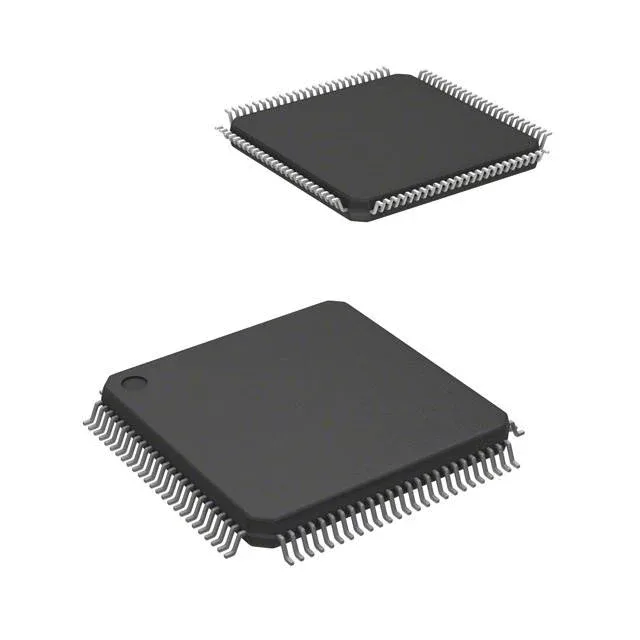
TI LM3S9L97-IQC80-C1 ARM Cortex-M3 MCU 80MHz 128KB Flash 100-LQFP
Texas Instruments Stellaris LM3S9L97-IQC80-C1, ARM Cortex-M3 80MHz, 128KB Flash 48KB RAM, 100-LQFP tray, Ethernet USB OTG CAN SPI UART, -40°C to 85°C, 1.235V–1.365V core, 60 I/O, 16-ch 10-bit ADC.
Specifications
| Parameter | Value |
|---|---|
| Series | Stellaris® ARM® Cortex®-M3S 9000 |
| Mounting | Surface Mount |
| Oscillator type | Internal |
| Program memory type | FLASH |
| Voltage - supply (Vcc (Vdd)) | 1.235V ~ 1.365V |
| Operating temperature | -40°C~85°C(TA) |
| Speed | 80MHz |
| Package | Tray |
| RAM size | 48K x 8 |
| Core size | 32-Bit Single-Core |
| Peripherals | Brown-out Detect/Reset, DMA, I²S, POR, PWM, WDT |
| Connectivity | CANbus, Ethernet, I²C, IrDA, LINbus, Microwire, QEI, SPI, SSI, UART/USART, USB OTG |
| Number of i (O) | 60 |
| Core processor | ARM® Cortex®-M3 |
| Case | 100-LQFP |
| Data converters | A/D 16x10b |
| Program memory size | 128KB (128K x 8) |
Frequently asked questions
What replaces the LM3S9L97?
Texas Instruments migrated the Stellaris family to the Tiva C Series (TM4C family) as the functional continuation. No specific pin-compatible drop-in successor order code is cited on this part's ledger — validate the target TM4C device's pinout, peripheral mapping, and voltage rails against the existing board before committing a replacement run.
Can I socket the 100-LQFP for field replacement?
Standard 100-LQFP socket adapters exist, but they add profile height and contact resistance. For a one-off repair, hot-air rework of the LQFP directly onto the existing pad pattern is feasible if the board was designed with rework clearance around the package. A new Gerber for a direct-solder replacement requires confirmation of the 0.5 mm pitch pad geometry.