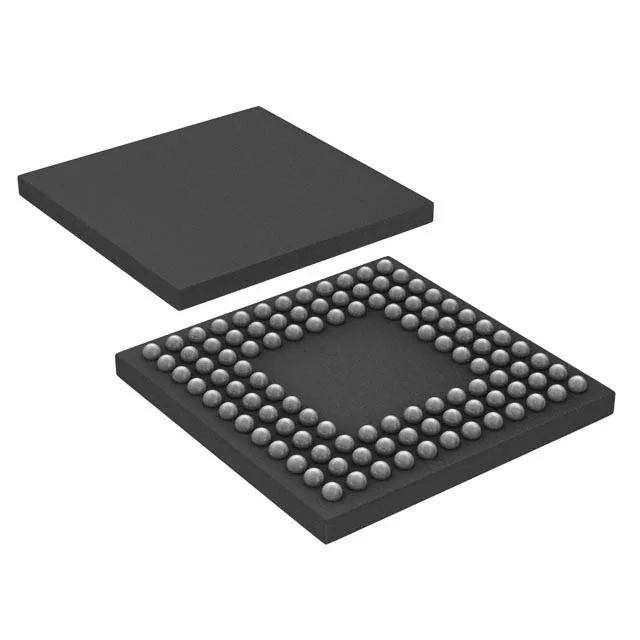
LM3S9D90-IBZ80-A1 — Stellaris ARM Cortex-M3 MCU, 80MHz, 512KB Flash, USB OTG + E
Texas Instruments Stellaris LM3S9D90-IBZ80-A1, 32-bit ARM Cortex-M3 single-core at 80MHz, 512KB FLASH / 96KB RAM, 60 I/O, USB OTG + Ethernet + CANbus connectivity, 16-channel 12-bit ADC, internal oscillator, 108-LFBGA (10×10, 0.65mm pitch) tray, -40 to 85°C operating range, 1.235–1.365V core supply.
Specifications
| Parameter | Value |
|---|---|
| Series | Stellaris® ARM® Cortex®-M3S 9000 |
| Mounting | Surface Mount |
| Oscillator type | Internal |
| Program memory type | FLASH |
| Voltage - supply (Vcc (Vdd)) | 1.235V ~ 1.365V |
| Operating temperature | -40°C~85°C(TA) |
| Speed | 80MHz |
| Package | Tray |
| RAM size | 96K x 8 |
| Core size | 32-Bit Single-Core |
| Peripherals | Brown-out Detect/Reset, DMA, I²S, POR, PWM, WDT |
| Connectivity | CANbus, Ethernet, I²C, IrDA, LINbus, Microwire, QEI, SPI, SSI, UART/USART, USB OTG |
| Number of i (O) | 60 |
| Core processor | ARM® Cortex®-M3 |
| Case | 108-LFBGA |
| Data converters | A/D 16x12b |
| Program memory size | 512KB (512K x 8) |
Frequently asked questions
Does the internal oscillator support USB OTG full-speed operation without an external crystal?
No. USB full-speed (12 Mbps) requires ±2000 ppm accuracy per the USB-IF specification. The internal RC oscillator on the LM3S9D90 cannot meet that tolerance — an external crystal is required for USB OTG full-speed operation, adding a BOM line that the internal oscillator alone cannot cover.
What is the rework reality for the 108-LFBGA package?
The 108-LFBGA at 0.65mm ball pitch demands BGA rework equipment and a qualified reflow profile — hot-swapping on a live backplane is not a viable procedure for this package. The board must be depowered and the rework zone thermally managed. If multiple units are in production, validate the land pattern and paste检讨 against the BGA footprint before any rework event.