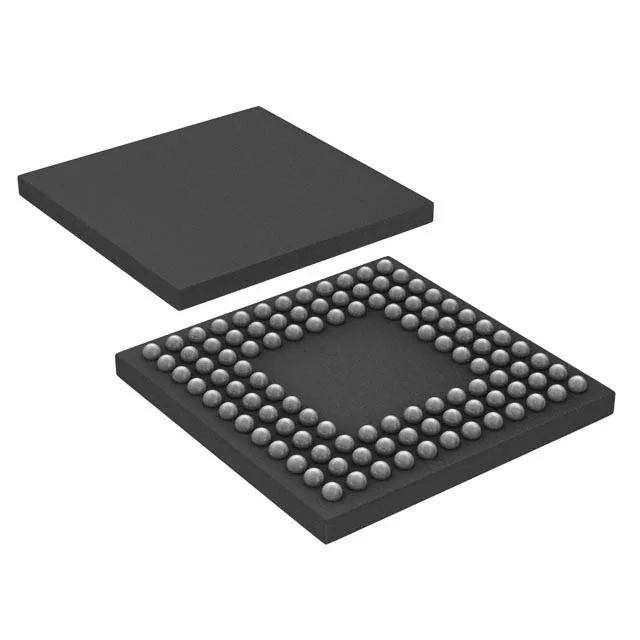
Texas Instruments LM3S9C97-IBZ80-A1T — Microcontrollers & Processors (MCU / MPU / DSP)

LM3S9C97-IBZ80-A1T Stellaris ARM Cortex-M3 MCU, 80 MHz

MPNLM3S9C97-IBZ80-A1T
Obsolete

Texas Instruments Stellaris ARM Cortex-M3S 9000 series LM3S9C97-IBZ80-A1T, 32-bit single-core MCU, 80 MHz, 512 KB Flash, 64 KB x 8 RAM, Ethernet + CAN + USB OTG, 60 I/O, 108-BGA (10x10 mm), -40 to 85°C.

Independent supplier — new & surplus stockAuthenticity-screened · ESD-safe packingListing updated Jul 2026

Specifications

LM3S9C97-IBZ80-A1T specifications
ParameterValue
SeriesStellaris® ARM® Cortex®-M3S 9000
MountingSurface Mount
Oscillator typeInternal
Program memory typeFLASH
Voltage - supply (Vcc (Vdd))1.235V ~ 1.365V
Operating temperature-40°C~85°C(TA)
Speed80MHz
PackageTape & Reel (TR)
RAM size64K x 8
Core size32-Bit Single-Core
PeripheralsBrown-out Detect/Reset, DMA, I²S, POR, PWM, WDT
ConnectivityCANbus, Ethernet, I²C, IrDA, LINbus, Microwire, QEI, SPI, SSI, UART/USART, USB OTG
Number of i (O)60
Core processorARM® Cortex®-M3
Case108-LFBGA
Data convertersA/D 16x12b
Program memory size512KB (512K x 8)

Product details

For a production line that already has this MCU qualified, the only sourcing channel is the independent market — surplus inventory, excess stock, or broker-sourced material. The 108-ball BGA and the specific peripheral mix (Ethernet + CAN + USB OTG) mean a drop-in replacement is unlikely; a redesign with a current-generation MCU is the long-term answer.

108-ball BGA — layout and assembly considerations

The LM3S9C97-IBZ80-A1T comes in a 108-LFBGA package with a 10x10 mm body. The core supply is a narrow 1.235 V to 1.365 V rail. The 60 GPIOs are distributed across the ball map.

Industrial temperature grade — deployment envelope

The internal oscillator and POR/Brown-out detect help maintain reliable startup across the range.

Frequently asked questions

What is the replacement for LM3S9C97-IBZ80-A1T?

There is no official pin-compatible replacement from TI. The Stellaris family has been discontinued. A redesign with a current-generation ARM Cortex-M4 or M7 MCU (e.g., TI's TM4C series or a comparable STM32 with Ethernet and CAN) is the typical path. We can help identify candidates if you share the key requirements.