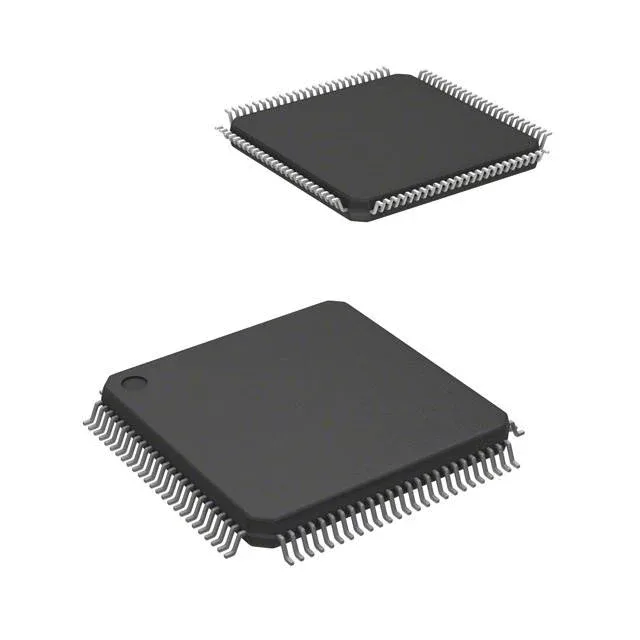
TI LM3S9B95-IQC80-C5 80MHz Stellaris Cortex-M3 MCU — EOL, Tray 100-LQFP
Texas Instruments LM3S9B95-IQC80-C5, Stellaris ARM Cortex-M3S 9000 series, 80MHz 32-bit single-core, 256KB Flash / 96KB SRAM, tray 100-LQFP (14×14mm), -40°C to 85°C.
Specifications
| Parameter | Value |
|---|---|
| Series | Stellaris® ARM® Cortex®-M3S 9000 |
| Mounting | Surface Mount |
| Oscillator type | Internal |
| Program memory type | FLASH |
| Voltage - supply (Vcc (Vdd)) | 1.235V ~ 1.365V |
| Operating temperature | -40°C~85°C(TA) |
| Speed | 80MHz |
| Package | Tray |
| RAM size | 96K x 8 |
| Core size | 32-Bit Single-Core |
| Peripherals | Brown-out Detect/Reset, DMA, I²S, POR, PWM, WDT |
| Connectivity | CANbus, EBI/EMI, Ethernet, I²C, IrDA, LINbus, Microwire, QEI, SPI, SSI, UART/USART, USB OTG |
| Number of i (O) | 65 |
| Core processor | ARM® Cortex®-M3 |
| Case | 100-LQFP |
| Data converters | A/D 16x10b |
| Program memory size | 256KB (256K x 8) |
Frequently asked questions
What replaces the LM3S9B95-IQC80-C5?
TI's documented migration path is to the Tiva C Series (TM4C family), but it is not pin-compatible. A firmware port and layout review are required — there is no drop-in substitute in the same 100-LQFP 14×14mm footprint with matching 65 GPIO and 256KB Flash.
Can I program the LM3S9B95 in-circuit via SWD?
Yes. SWD debug and in-circuit programming are supported. Be aware of pin multiplexing: Microwire and QEI share pins with the debug interface. Configure the SWD pins before those peripherals are initialised, or keep them in reset during debug sessions.
How do I source this part for a legacy machine build?
RFQ is the correct channel. Specify the date-code range your firmware demands, the quantity needed for the machine's remaining service life, and whether programming services are required. Authenticity verification on any lot sourced through secondary channels is non-negotiable at this stage of the lifecycle.