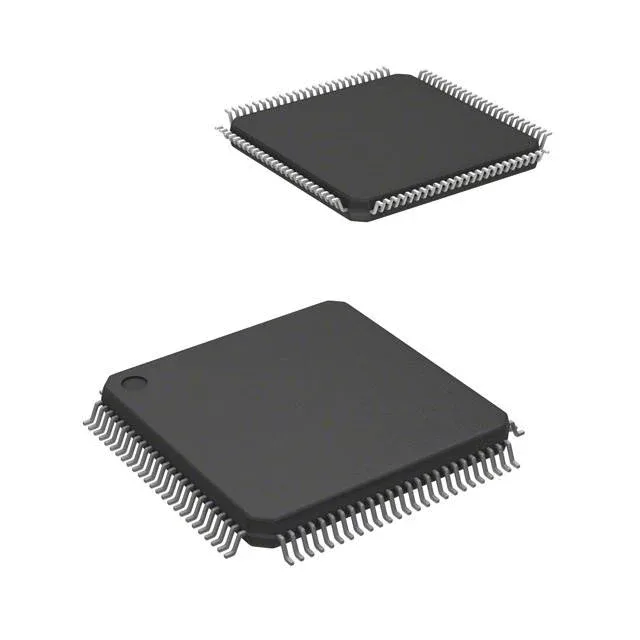
TI Stellaris LM3S9B92-IQC80-C5 MCU, 80MHz, 256KB Flash, 100-LQFP
MPNLM3S9B92-IQC80-C5
Obsolete
Texas Instruments Stellaris LM3S9B92-IQC80-C5, 80MHz ARM Cortex-M3, 256KB Flash, 96KB RAM, 65 GPIO, Ethernet/CANbus/USB OTG, 100-LQFP (14x14mm), -40 to 85°C, tray.
Independent supplier — new & surplus stockAuthenticity-screened · ESD-safe packingListing updated Jul 2026
Specifications
| Parameter | Value |
|---|---|
| Series | Stellaris® ARM® Cortex®-M3S 9000 |
| Mounting | Surface Mount |
| Oscillator type | Internal |
| Program memory type | FLASH |
| Voltage - supply (Vcc (Vdd)) | 1.235V ~ 1.365V |
| Operating temperature | -40°C~85°C(TA) |
| Speed | 80MHz |
| Package | Tray |
| RAM size | 96K x 8 |
| Core size | 32-Bit Single-Core |
| Peripherals | Brown-out Detect/Reset, DMA, I²S, POR, PWM, WDT |
| Connectivity | CANbus, EBI/EMI, Ethernet, I²C, IrDA, LINbus, Microwire, QEI, SPI, SSI, UART/USART, USB OTG |
| Number of i (O) | 65 |
| Core processor | ARM® Cortex®-M3 |
| Case | 100-LQFP |
| Data converters | A/D 16x10b |
| Program memory size | 256KB (256K x 8) |
Frequently asked questions
Is the LM3S9B92-IQC80-C5 obsolete and what does that mean for procurement?
Yes — lifecycle_stage is eol_hot. The part is no longer in standard production; it is sourced through surplus and broker channels. Any new design-in is locked out. For the installed base, assess a last-time-buy quantity against the known failure rate and end-of-life timeline on the TI PCN.
Will the 100-LQFP drop into my existing Stellaris board without rework?
The 14x14mm 100-LQFP footprint is the standard pad landing for the IQC80 variant; pin-1 orientation must match the existing board silkscreen. If the pad layout was populated for a different 100-pin variant, confirm the power and ground pin assignments before assuming drop-in fit.