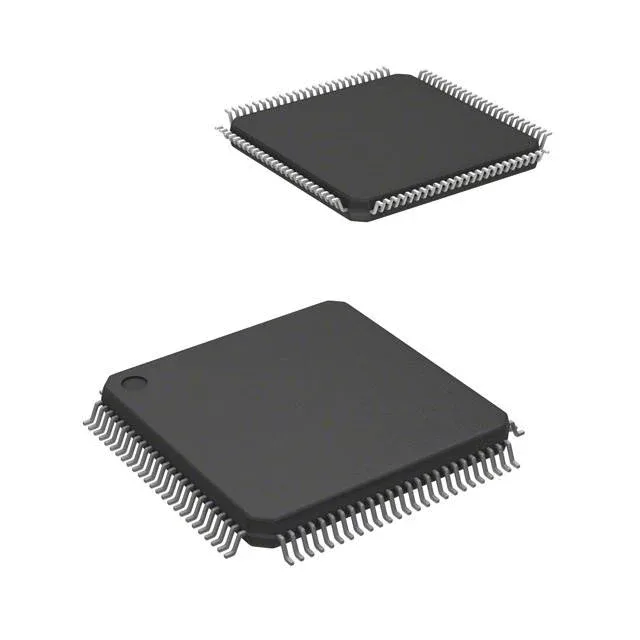
Texas Instruments LM3S8930-EQC50-A2T — Microcontrollers & Processors (MCU / MPU / DSP)

LM3S8930-EQC50-A2T Stellaris ARM Cortex-M3 MCU, 50MHz

MPNLM3S8930-EQC50-A2T
Obsolete

Texas Instruments Stellaris® ARM® Cortex®-M3S 8000 series LM3S8930-EQC50-A2T, 32-Bit Single-Core MCU, 50MHz, 256KB Flash, 64K x 8 RAM, CANbus/Ethernet/I²C/SPI/UART, 100-LQFP, -40°C~105°C.

Independent supplier — new & surplus stockAuthenticity-screened · ESD-safe packingListing updated Jul 2026

Specifications

LM3S8930-EQC50-A2T specifications
ParameterValue
SeriesStellaris® ARM® Cortex®-M3S 8000
MountingSurface Mount
Oscillator typeInternal
Program memory typeFLASH
Voltage - supply (Vcc (Vdd))2.25V ~ 2.75V
Operating temperature-40°C~105°C(TA)
Speed50MHz
PackageTape & Reel (TR)
RAM size64K x 8
Core size32-Bit Single-Core
PeripheralsBrown-out Detect/Reset, POR, PWM, WDT
ConnectivityCANbus, Ethernet, I²C, IrDA, Microwire, SPI, SSI, UART/USART
Number of i (O)34
Core processorARM® Cortex®-M3
Case100-LQFP
Program memory size256KB (256K x 8)

Product details

Cortex-M3 core with integrated Ethernet and CAN

The peripheral set includes CAN 2.0B, a 10/100 Ethernet MAC+PHY, I²C, SPI, SSI, Microwire, UART/USART, and IrDA — a combination that makes this part a fit for industrial gateways, building automation controllers, and networked motor drives.

Memory and peripheral budget for a control node

256 KB of Flash is sized for a moderate firmware stack running a real-time OS, TCP/IP, CANopen or Modbus, and application logic. The 64 KB SRAM supports packet buffers for Ethernet frames and CAN message queues without external memory.

No direct pin-compatible successor is recorded in the lifecycle data. Buyers should verify date-code consistency and marking authenticity — the 100-LQFP package is a common target for re-marked inventory.

Frequently asked questions

What is the replacement for LM3S8930-EQC50-A2T?

No direct pin-compatible replacement is recorded in the lifecycle data. The Stellaris family has been superseded by TI's Tiva C and later ARM Cortex-M4F series, but those are not drop-in replacements — they differ in pinout, supply voltage, and peripheral map. A BOM redesign is required to migrate.

What does the 50 MHz core speed mean for this part?

The ARM Cortex-M3 core at 50 MHz provides enough throughput for real-time control loops, Ethernet packet processing at 100 Mbps, and CAN message handling without a dedicated communication co-processor. It is not a high-end performance tier — expect around 1.25 DMIPS/MHz — but it is adequate for the industrial gateway and motor-drive applications this part targets.