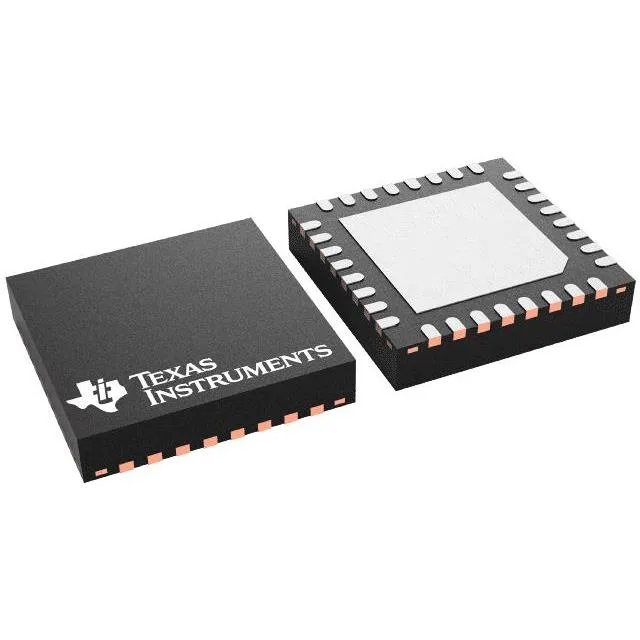
TI LM3S828-EQN50-C2 Stellaris MCU 64KB Flash 50MHz
TI Stellaris ARM Cortex-M3S 800 series, 64KB Flash, 8KB RAM, 50MHz, 28 I/O, 8x10b ADC, I2C/SPI/UART, 3V-3.6V, -40°C to 105°C, 48-LQFP.
Specifications
| Parameter | Value |
|---|---|
| Series | Stellaris® ARM® Cortex®-M3S 800 |
| Mounting | Surface Mount |
| Oscillator type | Internal |
| Program memory type | FLASH |
| Voltage - supply (Vcc (Vdd)) | 3V ~ 3.6V |
| Operating temperature | -40°C ~ 105°C (TA) |
| Speed | 50MHz |
| RAM size | 8K x 8 |
| Core size | 32-Bit Single-Core |
| Package | Tray |
| Peripherals | Brown-out Detect/Reset, POR, PWM, WDT |
| Connectivity | I2C, Microwire, SPI, SSI, UART/USART |
| Number of i (O) | 28 |
| Core processor | ARM® Cortex®-M3 |
| Case | 48-LQFP |
| Data converters | A/D 8x10b |
| Program memory size | 64KB (64K x 8) |
Frequently asked questions
Is the LM3S828-EQN50-C2 obsolete and what replaces it?
The lifecycle stage is eol_hot, which means this order code has entered TI's end-of-life notification window. TI's Tiva-C TM4C series is the documented successor platform to the Stellaris family — register-level compatibility reduces migration effort but a firmware re-validation is still required.
Does the internal oscillator meet Modbus RTU baud-rate accuracy?
Internal oscillator operation is listed for the part; for Modbus RTU at standard baud rates (9600 and 19200) the timing is workable in a controlled thermal environment. High-precision communication or extended temperature operation may still warrant an external crystal for tighter baud-rate error margins.
What supply voltage does this MCU need?
The part operates from 3V to 3.6V, requiring a fixed 3.3V rail on the board. Direct 5V interfaces are not supported, so legacy 24V field devices need level-shifting or optocoupler isolation in the interface design.
What thermal environment is this rated for?
The LM3S828-EQN50-C2 is rated for -40°C to 105°C ambient operating temperature. The 105°C upper limit is suited to sealed industrial enclosures but leaves no headroom if mounted adjacent to power-stage heat sources — a board-level thermal assessment is recommended for continuous full-load operation at the high end of the range.