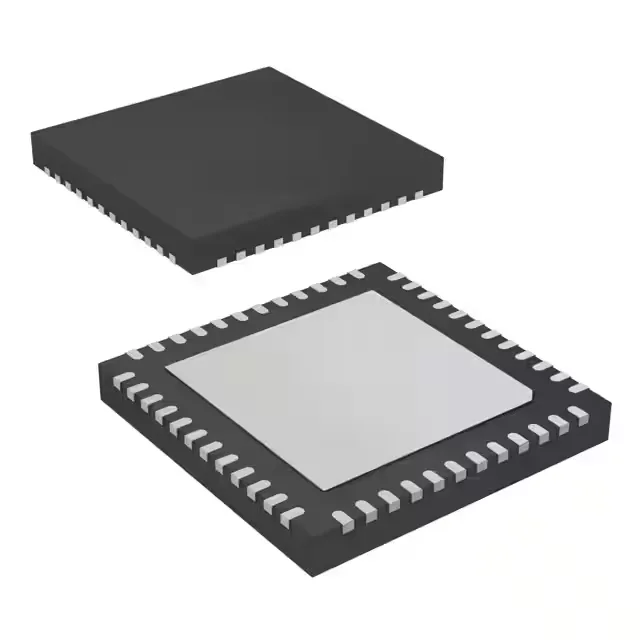
LM3S812-EGZ50-C2T — Stellaris ARM Cortex-M3 MCU, 50MHz, 64KB Flash, 3.3V
Texas Instruments Stellaris LM3S812-EGZ50-C2T, ARM Cortex-M3 32-bit single-core at 50MHz, 64KB FLASH/8KB SRAM, 34 I/O, 3V–3.6V supply, -40°C–105°C, 48-VFQFN (7×7mm) in tape-and-reel.
Specifications
| Parameter | Value |
|---|---|
| Series | Stellaris® ARM® Cortex®-M3S 800 |
| Mounting | Surface Mount |
| Oscillator type | Internal |
| Program memory type | FLASH |
| Voltage - supply (Vcc (Vdd)) | 3V ~ 3.6V |
| Operating temperature | -40°C~105°C(TA) |
| Speed | 50MHz |
| Package | Tape & Reel (TR) |
| RAM size | 8K x 8 |
| Core size | 32-Bit Single-Core |
| Peripherals | Brown-out Detect/Reset, POR, PWM, WDT |
| Connectivity | I²C, Microwire, SPI, SSI, UART/USART |
| Number of i (O) | 34 |
| Core processor | ARM® Cortex®-M3 |
| Case | 48-VFQFN Exposed Pad |
| Data converters | A/D 2x10b |
| Program memory size | 64KB (64K x 8) |
Frequently asked questions
What does eol_hot mean for the LM3S812-EGZ50-C2T, and should I move the BOM to an alternate now?
eol_hot marks this part as in TI's formal end-of-life transition window. For new designs or long-production runs, begin Tiva C qualification now. For a repair board or a frozen BOM running existing firmware, the part remains accessible through distribution in the near term but allocation limits and lot-date constraints will tighten — plan your last-time-buy accordingly and do not wait for a PCN to force the decision.
The data sheet shows -40°C to 105°C. Can I use this part at 105°C ambient with the core running at 50MHz full time?
The -40°C to 105°C ambient rating is the spec, but thermal headroom at the high end depends on your board layout and the VFQFN exposed-pad solder quality. At 105°C ambient with the 3.6V rail and full core load, junction margin is tighter than it looks on the ambient spec alone — confirm the pad is properly landed and that no adjacent components are heating the MCU zone.
Is there a pin-compatible or drop-in replacement for the LM3S812-EGZ50-C2T?
TI's Stellaris-to-Tiva migration is the official successor path, but the Tiva variants in the same 48-pin count come in VFQFN and LQFP packages with different pinouts — they are not pin-for-pin drop-ins. A layout spin is required to move to a Tiva part number. Check the specific Tiva variant pinout against your board's signal map before committing a redesign.