50 MHz Cortex-M3 — where the clock matters
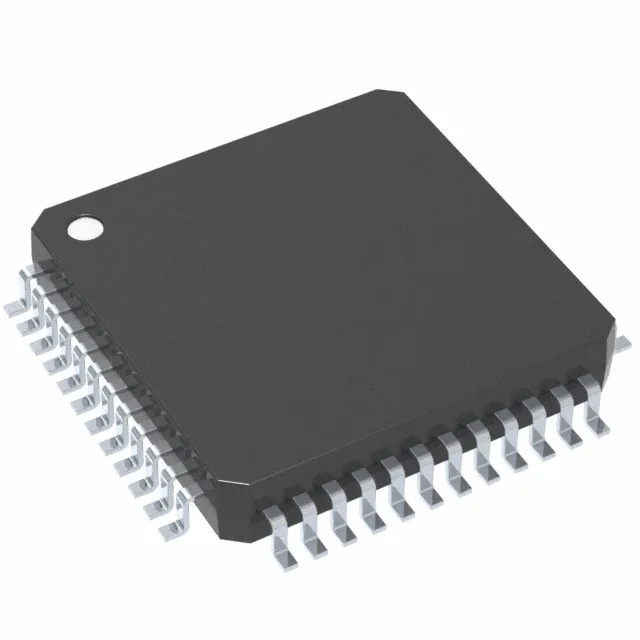
The 48-LQFP package gives 32 I/O lines, so you get a usable peripheral set without a dense BGA.
64 KB of program Flash and 8 KB of SRAM define the application ceiling. That is enough for a real-time control loop with a few hundred lines of C, a UART command parser, and a modest state machine. If your firmware fits within that budget, the part is a clean fit; if you are already pushing 80% Flash utilisation on a similar part, you will hit the wall here. The 50 MHz core can execute most single-cycle instructions, so the bottleneck is memory, not clock speed.
It is still available through the independent distribution channel, but it is no longer the target for new production builds. For a new design, look at the active Stellaris or Tiva C Series parts that offer a pin-compatible or software-migration path. The NRND flag does not mean an immediate last-time-buy has been announced, but it does mean the clock is ticking on fresh silicon from TI.
Peripheral set — what connects where
The 32 I/O lines are enough to handle a keypad, a small display, and a few sensor inputs without a port expander.