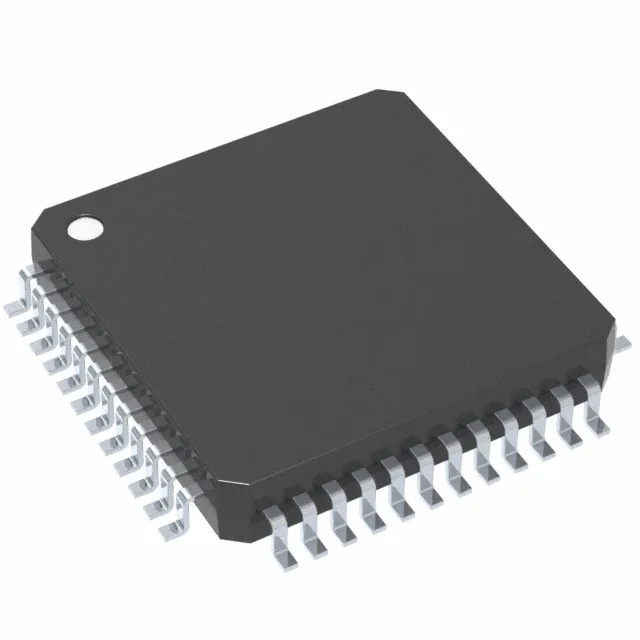
Texas Instruments LM3S800-IQN50-C2 — Microcontrollers & Processors (MCU / MPU / DSP)

TI LM3S800-IQN50-C2: 50MHz ARM Cortex-M3 MCU, 64KB Flash, 36 I/O, 48-LQFP

MPNLM3S800-IQN50-C2
NRND

Texas Instruments Stellaris LM3S800-IQN50-C2, a 50MHz ARM Cortex-M3 32-bit single-core MCU in 48-LQFP tray; 64KB Flash, 8KB RAM, 36 I/O, SPI/I²C/UART/USART/SSI/Microwire; 3V–3.6V supply; internal oscillator; brown-out detect/POR/WDT/PWM; -40°C to 85°C operating temperature.

$11.4520Ref. price · indicative, final on quote
StockContact for availability
MOQ1 pcs
  • 100% new & originalTraceable channels only — no refurbs, no pulls, no remarked parts.
  • Date & lot codes on quoteStated per line before you commit; label photos on request.
  • MSL-compliant ESD packingMoisture-sealed bags with indicator cards; reels photo-verified.
  • PayPal buyer protectionPay by T/T, PayPal or Payoneer — card payments covered end to end.

Specifications

LM3S800-IQN50-C2 Technical Specifications
ParameterValue
SeriesStellaris® ARM® Cortex®-M3S 800
Mounting typeSurface Mount
Oscillator typeInternal
Program memory typeFLASH
Voltage - supply (Vcc (Vdd))3V ~ 3.6V
Operating temperature-40°C~85°C(TA)
Speed50MHz
PackageTray
RAM size8K x 8
Core size32-Bit Single-Core
PeripheralsBrown-out Detect/Reset, POR, PWM, WDT
ConnectivityI²C, Microwire, SPI, SSI, UART/USART
Number of i (O)36
Core processorARM® Cortex®-M3
Case48-LQFP
Program memory size64KB (64K x 8)

Frequently asked questions

What TI part replaces the LM3S800-IQN50-C2?

Texas Instruments migrated the Stellaris family to the Tiva C Series. The Tiva TM4C family carries the same ARM Cortex-M3 core, a compatible peripheral architecture, and 48-LQFP options. The exact pin-compatible part number depends on I/O count and feature mix — request the specific cross-reference from TI or your distribution FAE.

What is the UART/USART baud-rate capability with the internal oscillator on this part?

The 50MHz system clock drives the baud-rate generator; UART/USART is listed in the connectivity peripherals. Baud-rate accuracy at 115200 bps depends on the internal oscillator tolerance against the ideal divisor — the internal RC tolerance spec sets whether the framing error budget is met without an external crystal. Verify against the Stellaris datasheet before dropping the crystal from a Profinet or Modbus retrofit BOM.

What is the maximum I/O sink/source current per pin and package thermal limit at 85°C ambient in the 48-LQFP?

The 48-LQFP at 85°C ambient with 50MHz core loading is a thermal constraint the design engineer must check against the package thermal resistance (θJA) and the total power dissipation. The specific per-pin current limit and derating curve are in the Stellaris datasheet — for a sealed IP67 enclosure, the junction-to-ambient thermal path is the limiting factor, not the pin current rating alone.

Does the LM3S800-IQN50-C2 require programming before board assembly, and what tools are needed?

This MCU ships with Flash blank; it requires factory or board-level programming before or after assembly using a JTAG/SWD debugger (TI Stellaris ICDI, or third-party ARM debug probe). The programming toolchain is Keil MDK, TI CCS, or IAR EWARM — firmware is not pre-loaded. If the retrofit is a swap of an already-programmed unit, the programming step is a separate BOM line the panel builder must account for.