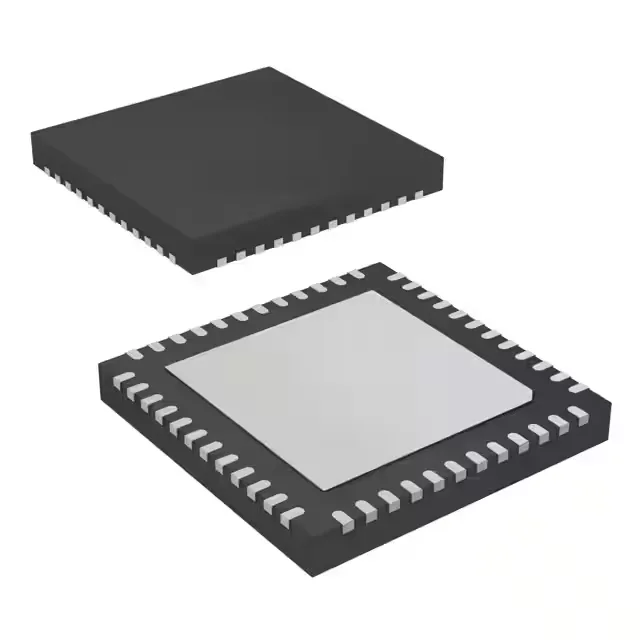
Texas Instruments LM3S800-IGZ50-C2 — Microcontrollers & Processors (MCU / MPU / DSP)

LM3S800-IGZ50-C2 Stellaris ARM Cortex-M3 MCU, 50 MHz

MPNLM3S800-IGZ50-C2
End of Life

Texas Instruments Stellaris ARM Cortex-M3S 800 series 32-bit MCU, LM3S800-IGZ50-C2, 50 MHz core, 64 KB Flash, 8 KB RAM, 36 I/O, I²C/SPI/UART, -40 to 85 °C, 48-VFQFN exposed pad.

Independent supplier — new & surplus stockAuthenticity-screened · ESD-safe packingListing updated Aug 2026

Specifications

LM3S800-IGZ50-C2 specifications
ParameterValue
SeriesStellaris® ARM® Cortex®-M3S 800
MountingSurface Mount
Oscillator typeInternal
Program memory typeFLASH
Voltage - supply (Vcc (Vdd))3V ~ 3.6V
Operating temperature-40°C~85°C(TA)
Speed50MHz
PackageTray
RAM size8K x 8
Core size32-Bit Single-Core
PeripheralsBrown-out Detect/Reset, POR, PWM, WDT
ConnectivityI²C, Microwire, SPI, SSI, UART/USART
Number of i (O)36
Core processorARM® Cortex®-M3
Case48-VFQFN Exposed Pad
Program memory size64KB (64K x 8)

Product details

50 MHz Cortex-M3 with 64 KB Flash — what it fits

Peripheral set and memory headroom

At 50 MHz the Cortex-M3 executes a single-cycle multiply and a two-cycle divide, which matters for any PID or sensor-linearization math that avoids a floating-point unit.

It is not automotive-grade (no AEC-Q100 mark in the record), so it belongs in the control panel, not the engine bay.

Supply rail and power-on behaviour

The POR and brown-out detect peripherals handle power-up sequencing and monitor the rail for dips during relay or motor starts — no external supervisor needed unless the system requires a tighter threshold than the internal circuit provides.

Frequently asked questions

What is the difference between LM3S800-IGZ50-C2 and LM3S818-IGZ50-C2?

Both are Stellaris Cortex-M3 MCUs in the same 48-VQFN package and 50 MHz class. The peripheral set and pinout are consistent across the 800-series family, so a board designed for the 818 can accept the 800 with a firmware update to use the extra Flash.