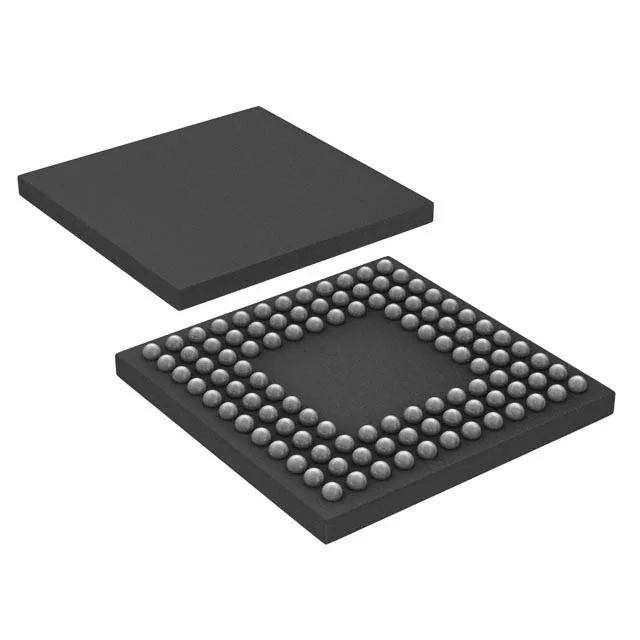
Texas Instruments LM3S6G11-IBZ80-A1T — Microcontrollers & Processors (MCU / MPU / DSP)

TI LM3S6G11-IBZ80-A1T ARM Cortex-M3 MCU, 80MHz, 512KB Flash

MPNLM3S6G11-IBZ80-A1T
End of Life

Texas Instruments Stellaris LM3S6G11-IBZ80-A1T, ARM Cortex-M3 single-core at 80MHz, 512KB Flash / 64KB SRAM, Ethernet MAC+PHY, I²C/SPI/SSI/UART/Microwire/LINbus/IrDA, 46 I/O, 3.0–3.6V supply, -40°C to 85°C, 108-LFBGA (10x10) tape-and-reel.

Sourced new & surplus through independent channelsAuthenticity-screened · ESD-safe packingListing updated Aug 2026

Specifications

LM3S6G11-IBZ80-A1T specifications
ParameterValue
SeriesStellaris® ARM® Cortex®-M3S 6000
MountingSurface Mount
Oscillator typeInternal
Program memory typeFLASH
Voltage - supply (Vcc (Vdd))3V ~ 3.6V
Operating temperature-40°C~85°C(TA)
Speed80MHz
PackageTape & Reel (TR)
RAM size64K x 8
Core size32-Bit Single-Core
PeripheralsBrown-out Detect/Reset, DMA, POR, PWM, WDT
ConnectivityEthernet, I²C, IrDA, LINbus, Microwire, SPI, SSI, UART/USART
Number of i (O)46
Core processorARM® Cortex®-M3
Case108-LFBGA
Program memory size512KB (512K x 8)

Product details

80 MHz Cortex-M3 with on-chip Ethernet — what that buys you

What sets it apart from the bulk of the Cortex-M3 catalog is the integrated Ethernet MAC with a PHY — you get a single-chip node for industrial Ethernet, building automation gateways, or any connected controller that needs a TCP/IP stack without an external PHY chip eating board space and BOM cost.

Memory and peripheral headroom for a connected design

512 KB of Flash is enough for a full lwIP or uIP stack plus application code without squeezing. The 64 KB SRAM handles packet buffers and moderate data arrays — enough for a Modbus TCP gateway or a BACnet controller, though you'll want to budget the heap if you're running a web server.

Package and temperature grade — assembly and environment

The 108-BGA (10x10 mm) package is a fine-pitch ball grid array — not a hand-solderable part. You'll need a stencil, reflow oven, and X-ray inspection for the BGA joints.

That means no last-time-buy scramble and no forced redesign for a replacement. For dual-sourcing resilience, the Stellaris family includes pin-compatible siblings with different memory or peripheral mixes, though the exact Ethernet+PHY combination is specific to this tier.

Frequently asked questions

What are the alternatives to LM3S6G11-IBZ80-A1T?

Within the Stellaris ARM Cortex-M3S 6000 series, pin-compatible siblings offer different Flash/SRAM densities or peripheral sets, but the integrated Ethernet MAC+PHY is specific to this part number. For a drop-in with the same Ethernet capability, stay within the 6000 family; for a different memory tier, check the LM3S6xxx variants in the same 108-BGA footprint.

How to program LM3S6G11-IBZ80-A1T?

The LM3S6G11-IBZ80-A1T uses the standard ARM Cortex-M3 debug interface — JTAG or Serial Wire Debug (SWD). TI's Stellaris tools (now part of the TivaWare ecosystem) provide drivers, peripheral libraries, and a TCP/IP stack. Any ARM-compatible IDE (Keil, IAR, GCC-based) can target it; the internal oscillator lets you start development without an external clock.