50 MHz Cortex-M3 with Ethernet — what this MCU brings
256 KB Flash, 64 KB RAM — sizing the memory for your application
That's enough for a FreeRTOS application with Ethernet connectivity and a modest command-line interface, but tight for a full GUI or heavy data logging. The RAM is 64K x 8 — 64 KB — so plan your buffers accordingly, especially if you're running a TCP stack with multiple sockets. Program memory is Flash only — no OTP or EEPROM option on this die. Field updates are possible via the Ethernet or UART bootloader, but you'll need to manage wear levelling yourself if writing frequently.
For new designs, TI recommends migrating to a current Stellaris or Tiva-C series device.
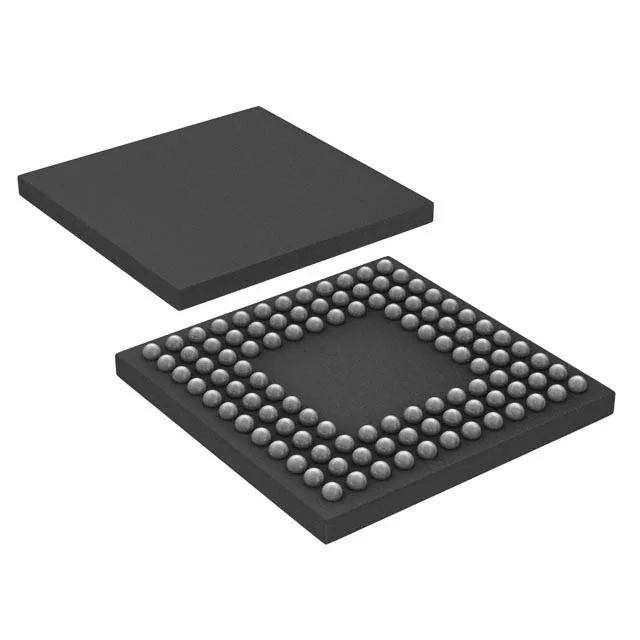
108-ball BGA — layout and rework considerations
The package is a 108-ball LFBGA, 10x10 mm body. That's a fine-pitch BGA that requires a solder-mask-defined pad and a four-layer PCB minimum for fanout.
On-chip peripherals and debug
The LM3S6950 includes brown-out detect, POR, a PWM module, and a watchdog timer. Internal oscillator is available, so you can boot without a crystal.