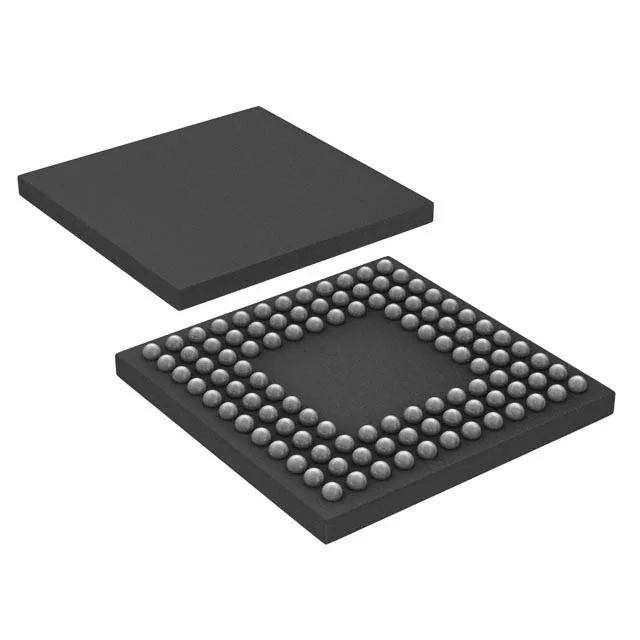
Texas Instruments LM3S5K31-IBZ80-C1T — Microcontrollers & Processors (MCU / MPU / DSP)

LM3S5K31-IBZ80-C1T Stellaris ARM Cortex-M3 MCU, 80 MHz

MPNLM3S5K31-IBZ80-C1T
Obsolete

Texas Instruments Stellaris® ARM® Cortex®-M3S 5000 series LM3S5K31-IBZ80-C1T, 32-bit single-core MCU, 80 MHz, 128 KB Flash, 24K x 8 RAM, 67 I/O, CAN/USB, 108-BGA (10x10), -40°C to 85°C.

Independent supplier — new & surplus stockAuthenticity-screened · ESD-safe packingListing updated Jul 2026

Specifications

LM3S5K31-IBZ80-C1T specifications
ParameterValue
SeriesStellaris® ARM® Cortex®-M3S 5000
MountingSurface Mount
Oscillator typeInternal
Program memory typeFLASH
Voltage - supply (Vcc (Vdd))1.08V ~ 1.32V
Operating temperature-40°C~85°C(TA)
Speed80MHz
PackageTape & Reel (TR)
RAM size24K x 8
Core size32-Bit Single-Core
PeripheralsBrown-out Detect/Reset, DMA, POR, PWM, WDT
ConnectivityCANbus, I²C, IrDA, LINbus, Microwire, QEI, SPI, SSI, UART/USART, USB
Number of i (O)67
Core processorARM® Cortex®-M3
Case108-LFBGA
Data convertersA/D 16x10b
Program memory size128KB (128K x 8)

Product details

On the connectivity side it carries CAN, USB, UART/USART, SPI, I²C, IrDA, LIN, and Microwire, plus a quadrature encoder interface (QEI) for motor position feedback. The 67 general-purpose I/O lines and 16-channel 10-bit ADC give it the pin count for sensor aggregation and actuator drive in a single-chip bill of materials.

The 80 MHz core clock on this ARM Cortex-M3 puts it in the mid-range of the Stellaris lineup — fast enough to handle a CANopen stack, a USB virtual COM port, and a PID loop on a single interrupt schedule without resorting to DMA for every transfer. The 24K x 8 SRAM is tight for a full RTOS heap with Ethernet buffering, but for a deterministic control application running bare-metal or a lightweight scheduler it fits.

Industrial temperature and BGA footprint

The 108-BGA package measures 10x10 mm, which saves board area compared to an LQFP but requires controlled impedance routing and X-ray inspection for solder-joint verification. The 1.08 V to 1.32 V core supply is lower than the 3.3 V I/O rail, so a separate regulator or a PMIC rail is needed; the brown-out detect and POR peripherals help sequence the core cleanly on power-up.

If you are evaluating this for a new design, the absence of a factory-backed roadmap means a pin-compatible migration path should be planned from the start.

Frequently asked questions

What is the replacement for LM3S5K31-IBZ80-C1T?

The Stellaris family has been superseded by newer ARM Cortex-M portfolios from TI, but a direct pin-compatible drop-in is not documented. A design review is needed to identify a migration path.