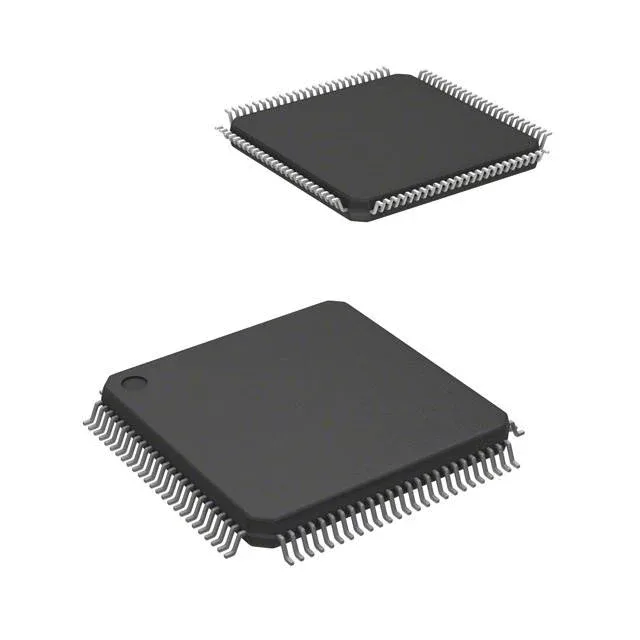
Texas Instruments LM3S5C31-IQC80-A2 — Microcontrollers & Processors (MCU / MPU / DSP)

LM3S5C31-IQC80-A2 Stellaris ARM Cortex-M3 MCU, 80 MHz

MPNLM3S5C31-IQC80-A2
Obsolete

Texas Instruments Stellaris ARM Cortex-M3S 5000 series LM3S5C31-IQC80-A2, 32-Bit Single-Core MCU, 80MHz, 512KB FLASH, 64K x 8 RAM, CANbus, USB, 67 I/O, 100-LQFP, -40°C~85°C.

Independent supplier — new & surplus stockAuthenticity-screened · ESD-safe packingListing updated Jul 2026

Specifications

LM3S5C31-IQC80-A2 specifications
ParameterValue
SeriesStellaris® ARM® Cortex®-M3S 5000
MountingSurface Mount
Oscillator typeInternal
Program memory typeFLASH
Voltage - supply (Vcc (Vdd))3V ~ 3.6V
Operating temperature-40°C~85°C(TA)
Speed80MHz
PackageTray
RAM size64K x 8
Core size32-Bit Single-Core
PeripheralsBrown-out Detect/Reset, DMA, POR, PWM, WDT
ConnectivityCANbus, EBI/EMI, I²C, IrDA, LINbus, Microwire, QEI, SPI, SSI, UART/USART, USB
Number of i (O)67
Core processorARM® Cortex®-M3
Case100-LQFP
Data convertersA/D 16x12b
Program memory size512KB (512K x 8)

Product details

Obsolete — plan your BOM line accordingly

The LM3S5C31-IQC80-A2 is officially marked as obsolete.

80 MHz Cortex-M3 — what the speed rating means for the bus

The 80 MHz core clock on this ARM Cortex-M3 is the headline performance spec. At that speed, the 512 KB Flash needs at least one wait state inserted for zero-wait access — the flash controller handles this automatically. The 64K x 8 RAM is sized for moderate data buffers and stacks; if your application uses USB or CAN with large packet queues, budget the RAM footprint early.

Supply range is 3.0 V to 3.6 V — a single 3.3 V rail works, but watch the dropout on the regulator if you are running near the lower limit.

Frequently asked questions

What is the replacement for LM3S5C31-IQC80-A2?

No direct pin-compatible replacement is listed on the official record. The Stellaris family has been superseded by newer ARM Cortex-M portfolios from Texas Instruments, but migrating to a different MCU will require a board layout change and firmware port. For existing BOM lines, the independent channel is the practical source.