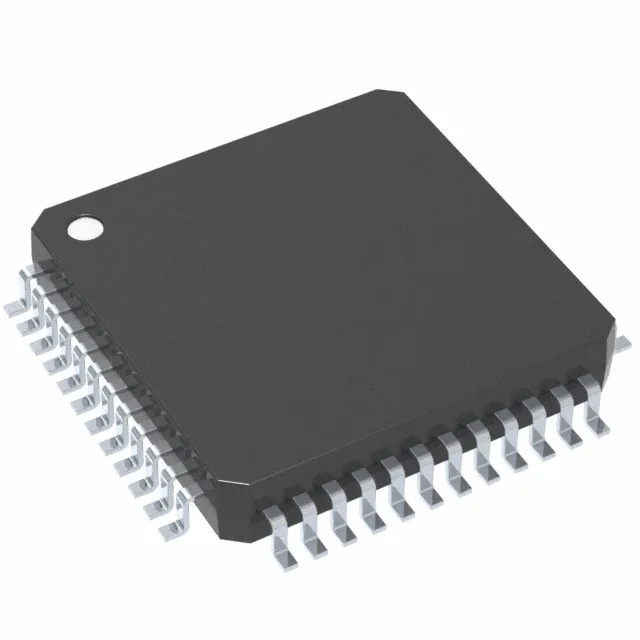
Texas Instruments LM3S317-IQN25-C2 — Microcontrollers & Processors (MCU / MPU / DSP)

LM3S317-IQN25-C2 Stellaris ARM Cortex-M3 MCU, 25 MHz, 16 KB Flash

MPNLM3S317-IQN25-C2
Obsolete

Texas Instruments Stellaris ARM Cortex-M3S 300 series MCU, LM3S317-IQN25-C2, 32-bit single-core at 25 MHz, 16 KB Flash, 4 KB RAM, 30 I/O, 6x10-bit ADC, SPI/SSI/UART, 48-LQFP, -40°C to 85°C.

$4.1746Ref. price · indicative, final on quote
Independent supplier — new & surplus stockAuthenticity-screened · ESD-safe packingListing updated Jul 2026

Specifications

LM3S317-IQN25-C2 specifications
ParameterValue
SeriesStellaris® ARM® Cortex®-M3S 300
MountingSurface Mount
Oscillator typeInternal
Program memory typeFLASH
Voltage - supply (Vcc (Vdd))3V ~ 3.6V
Operating temperature-40°C~85°C
Speed25MHz
PackageTray
RAM size4K x 8
Core size32-Bit Single-Core
PeripheralsBrown-out Detect/Reset, POR, PWM, WDT
ConnectivityMicrowire, SPI, SSI, UART/USART
Number of i (O)30
Core processorARM® Cortex®-M3
Case48-LQFP
Data convertersA/D 6x10b
Program memory size16KB (16K x 8)

Product details

The LM3S317-IQN25-C2: The LM3S317 is a 32-bit ARM Cortex-M3 MCU from the Stellaris 300 series, clocked at 25 MHz with 16 KB of Flash and 4 KB of RAM. The 6-channel 10-bit ADC handles sensor feedback without an external converter.

Obsolete — sourcing reality for this part

Texas Instruments has marked the LM3S317 as obsolete. No factory orders or last-time-buy window remain. For a repair bench, the practical move is to source a known-good pull or NOS tray from independent distribution.

Peripherals and connectivity at a glance

Frequently asked questions

What is the closest pin-compatible alternative to LM3S317-IQN25-C2?

No official pin-compatible successor is listed in the manufacturer's records. The Stellaris family was superseded by the Tiva-C series, but pin compatibility requires a layout check — no direct drop-in replacement is confirmed.

What is LM3S317-IQN25-C2's listed speed?

The core runs at 25 MHz, which defines the processing bandwidth for interrupt latency and peripheral timing.