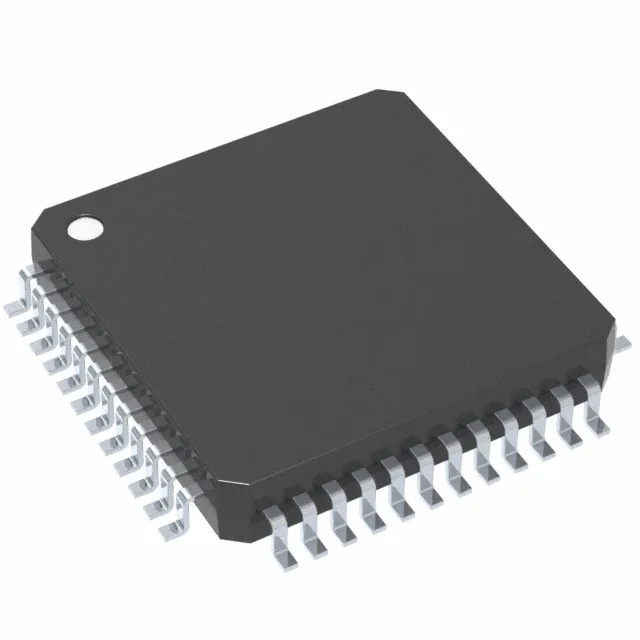
Texas Instruments LM3S315-IQN25-C2T — Microcontrollers & Processors (MCU / MPU / DSP)

LM3S315-IQN25-C2T Stellaris ARM Cortex-M3 MCU, 25 MHz

MPNLM3S315-IQN25-C2T
NRND

Texas Instruments Stellaris® ARM® Cortex®-M3S 300 series LM3S315-IQN25-C2T, 32-Bit Single-Core MCU, 25MHz, 16KB (16K x 8) FLASH, 4K x 8 SRAM, 48-LQFP, -40°C~85°C.

$4.2479Ref. price · indicative, final on quote
Independent supplier — new & surplus stockAuthenticity-screened · ESD-safe packingListing updated Jul 2026

Specifications

LM3S315-IQN25-C2T specifications
ParameterValue
SeriesStellaris® ARM® Cortex®-M3S 300
MountingSurface Mount
Oscillator typeInternal
Program memory typeFLASH
Voltage - supply (Vcc (Vdd))3V ~ 3.6V
Operating temperature-40°C~85°C(TA)
Speed25MHz
PackageTape & Reel (TR)
RAM size4K x 8
Core size32-Bit Single-Core
PeripheralsBrown-out Detect/Reset, POR, PWM, WDT
ConnectivityMicrowire, SPI, SSI, UART/USART
Number of i (O)32
Core processorARM® Cortex®-M3
Case48-LQFP
Data convertersA/D 4x10b
Program memory size16KB (16K x 8)

Product details

25 MHz ARM Cortex-M3 with 16 KB Flash — what the memory budget means

The 16 KB Flash (16K x 8) and 4 KB SRAM (4K x 8) define the firmware and data buffer ceiling — this part fits control loops, sensor fusion, or simple protocol bridges where the code image stays under about 14 KB after bootloader overhead. The 25 MHz core delivers adequate throughput for UART/SPI/SSI communication at typical baud rates and for PWM generation with the on-chip peripheral set.

48-LQFP package — footprint and reflow considerations

Housed in a 48-LQFP with a 7x7 mm body (0.5 mm pitch), the LM3S315-IQN25-C2T is a standard surface-mount package. The 32 I/O lines are accessible on the perimeter leads. The package is compatible with standard lead-free reflow profiles.

Frequently asked questions

What is the replacement for LM3S315-IQN25-C2T?

For a pin-compatible upgrade path, evaluate other Stellaris or TM4C Cortex-M4 devices in the 48-LQFP package with larger Flash and SRAM — the exact pinout and peripheral compatibility must be verified against the respective datasheets.