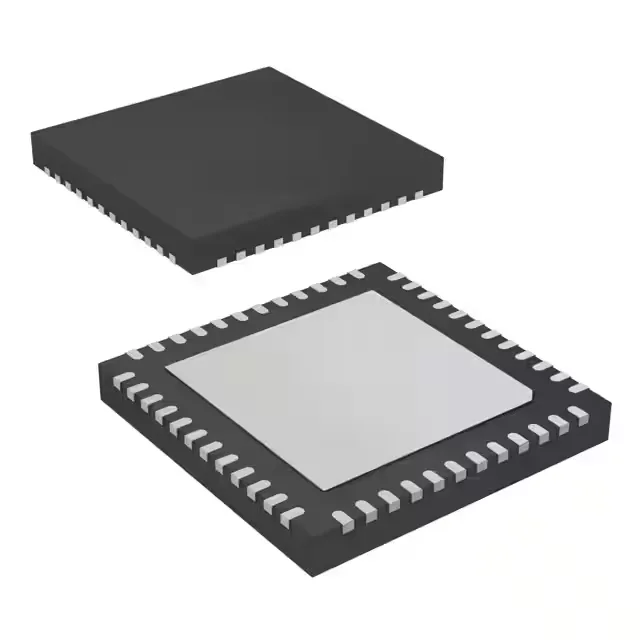
Texas Instruments LM3S301-EGZ20-C2 — Microcontrollers & Processors (MCU / MPU / DSP)

LM3S301-EGZ20-C2 Stellaris ARM Cortex-M3 MCU, 20MHz

MPNLM3S301-EGZ20-C2
End of Life

Texas Instruments Stellaris® ARM® Cortex®-M3S 300 series LM3S301-EGZ20-C2, 32-Bit Single-Core MCU, 20MHz, 16KB Flash, 2K x 8 SRAM, 33 I/O, 3V~3.6V supply, -40°C~105°C, 48-VFQFN Exposed Pad.

Sourced new & surplus through independent channelsAuthenticity-screened · ESD-safe packingListing updated Aug 2026

Specifications

LM3S301-EGZ20-C2 specifications
ParameterValue
SeriesStellaris® ARM® Cortex®-M3S 300
MountingSurface Mount
Oscillator typeInternal
Program memory typeFLASH
Voltage - supply (Vcc (Vdd))3V ~ 3.6V
Operating temperature-40°C~105°C(TA)
Speed20MHz
PackageTray
RAM size2K x 8
Core size32-Bit Single-Core
PeripheralsBrown-out Detect/Reset, POR, PWM, WDT
ConnectivityMicrowire, SPI, SSI, UART/USART
Number of i (O)33
Core processorARM® Cortex®-M3
Case48-VFQFN Exposed Pad
Data convertersA/D 3x10b
Program memory size16KB (16K x 8)

Product details

20 MHz Cortex-M3 with 16 KB Flash — what the memory budget means

This is a 32-bit ARM Cortex-M3 core clocked at 20 MHz, from the Stellaris 300 series. The 16 KB on-chip Flash and 2 KB SRAM are the hard limits for your firmware image and runtime data. That 2 KB SRAM disappears fast once you add a modest stack, a few global buffers, and the peripheral DMA descriptors — so plan for a lean, interrupt-driven architecture rather than a fat RTOS with large frame buffers.

The peripheral list includes a 3-channel 10-bit ADC, PWM outputs, a watchdog timer, and a brown-out detect/reset — enough for sensor readout, simple closed-loop control, and supervisory monitoring.

Package and first-power checklist

Supply range is 3.0 V to 3.6 V nominal — a single 3.3 V rail works. The internal oscillator means you can bring up the core without an external crystal, though the UART baud rate accuracy will depend on the internal RC calibration. SWD debug interface is available on the standard two-pin header for firmware development.

Frequently asked questions

What is the closest pin-compatible alternative to LM3S301-EGZ20-C2?

Within the Stellaris LM3S300 series, higher-density parts like the LM3S308 (with more Flash and RAM) share the same 48-VFQFN footprint and peripheral set, offering a drop-in upgrade path if your firmware outgrows the 16 KB Flash or 2 KB SRAM. Verify the exact pinout against the datasheet before committing a board spin.

What development tools are compatible with LM3S301-EGZ20-C2?

The Stellaris Cortex-M3 core is supported by standard ARM development tools including Keil MDK, IAR EWARM, and GCC-based toolchains (ARM-GCC). Programming and debug use the Serial Wire Debug (SWD) interface — a common 10-pin or 20-pin Cortex-M debug connector works. Texas Instruments' StellarisWare driver library (now part of TivaWare) provides peripheral drivers and example code for this family.