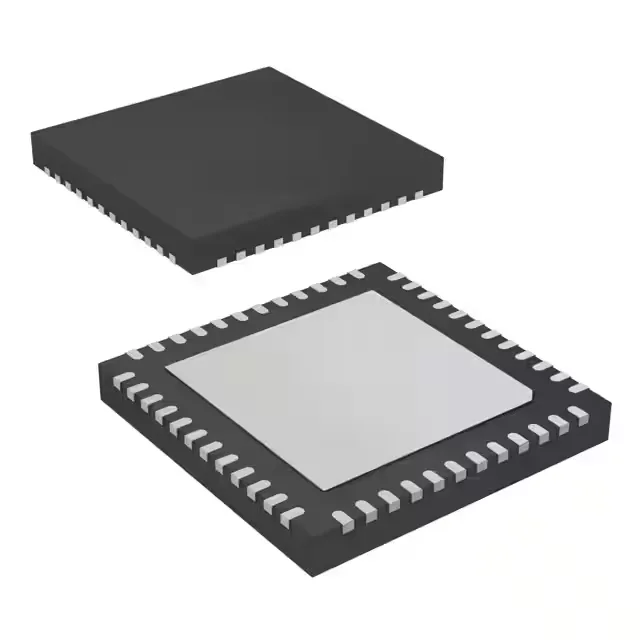
Texas Instruments LM3S300-EGZ25-C2 — Microcontrollers & Processors (MCU / MPU / DSP)

LM3S300-EGZ25-C2 Stellaris ARM Cortex-M3 MCU, 25 MHz

MPNLM3S300-EGZ25-C2
End of Life

Texas Instruments Stellaris® ARM® Cortex®-M3S 300 series LM3S300-EGZ25-C2, 32-Bit Single-Core MCU, 25MHz, 16KB Flash, 4K x 8 RAM, 36 I/O, I²C/Microwire/SPI/SSI/UART, 48-VFQFN Exposed Pad, -40°C to 105°C.

Independent supplier — new & surplus stockAuthenticity-screened · ESD-safe packingListing updated Aug 2026

Specifications

LM3S300-EGZ25-C2 specifications
ParameterValue
SeriesStellaris® ARM® Cortex®-M3S 300
MountingSurface Mount
Oscillator typeInternal
Program memory typeFLASH
Voltage - supply (Vcc (Vdd))3V ~ 3.6V
Operating temperature-40°C~105°C(TA)
Speed25MHz
PackageTray
RAM size4K x 8
Core size32-Bit Single-Core
PeripheralsBrown-out Detect/Reset, POR, PWM, WDT
ConnectivityI²C, Microwire, SPI, SSI, UART/USART
Number of i (O)36
Core processorARM® Cortex®-M3
Case48-VFQFN Exposed Pad
Program memory size16KB (16K x 8)

Product details

The part is built for cost-sensitive control applications where a full-featured Cortex-M3 core is needed but memory footprint stays small — think sensor hubs, motor-control interfaces, and protocol-bridge nodes in industrial or building-automation gear.

The 36 GPIOs are enough for a parallel LCD interface or a modest keypad matrix plus serial peripherals. Connectivity covers I²C, SPI, SSI, Microwire, and UART/USART — the usual set for sensor aggregation and actuator control.

Frequently asked questions

What is the exact replacement for LM3S300-EGZ25-C2?

No official direct replacement is listed. The LM3S300-EGZ25-C2 is still active, so a replacement is not required. For a pin-compatible alternative within the same family, the LM3S300-EGZ25-C1 shares the same die and package but may carry a different temperature grade or qualification level — verify the specific suffix differences against your application requirements.

What is the LM3S300-EGZ25-C2's listed speed?

The core runs at 25 MHz. That is the maximum clock frequency for this device, which sets the processing throughput for control loops and communication tasks.