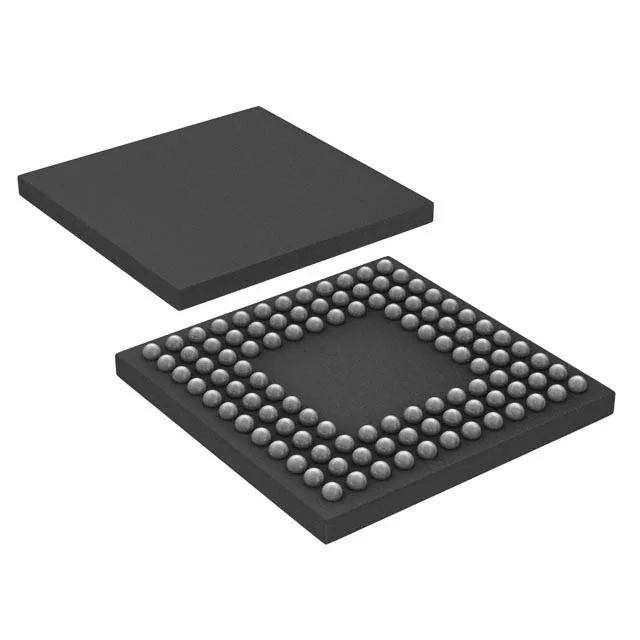
Texas Instruments LM3S2U93-IBZ80-A2T — Microcontrollers & Processors (MCU / MPU / DSP)

LM3S2U93-IBZ80-A2T Stellaris ARM Cortex-M3 MCU, 80 MHz

MPNLM3S2U93-IBZ80-A2T
Obsolete

Stellaris® ARM® Cortex®-M3S 2000 series, LM3S2U93-IBZ80-A2T, 32-Bit Single-Core MCU, 80MHz, 384KB Flash, 96K x 8 RAM, 108-LFBGA, -40°C~85°C.

Independent supplier — new & surplus stockAuthenticity-screened · ESD-safe packingListing updated Jul 2026

Specifications

LM3S2U93-IBZ80-A2T specifications
ParameterValue
SeriesStellaris® ARM® Cortex®-M3S 2000
MountingSurface Mount
Oscillator typeInternal
Program memory typeFLASH
Voltage - supply (Vcc (Vdd))1.235V ~ 1.365V
Operating temperature-40°C~85°C(TA)
Speed80MHz
PackageTape & Reel (TR)
RAM size96K x 8
Core size32-Bit Single-Core
PeripheralsBrown-out Detect/Reset, DMA, I²S, POR, PWM, WDT
ConnectivityCANbus, EBI/EMI, I²C, IrDA, Microwire, QEI, SPI, SSI, UART/USART
Number of i (O)67
Core processorARM® Cortex®-M3
Case108-LFBGA
Data convertersA/D 16x10b
Program memory size384KB (384K x 8)

Product details

The 108-ball BGA (10x10 mm) footprint demands careful PCB layout — the 0.8 mm ball pitch is standard for a four-layer board, but the core supply of 1.235 V to 1.365 V needs a dedicated low-noise rail, not a shared 3.3 V bus.

TI (who acquired the Luminary Micro Stellaris line) no longer manufactures it, and no official last-time-buy window remains open. For production or repair, the only channel is the independent surplus market. If you need a drop-in replacement, there is no pin-compatible second source from TI or another vendor; any migration will require a board spin to a current Cortex-M3 or M4 part with a similar peripheral set.

Frequently asked questions

Is LM3S2U93-IBZ80-A2T obsolete?

Yes, the LM3S2U93-IBZ80-A2T is listed as Obsolete. TI no longer manufactures this Stellaris-series MCU, and no last-time-buy window is active. Supply is limited to surplus inventory.

What is the recommended replacement for LM3S2U93-IBZ80-A2T?

There is no pin-compatible drop-in replacement from TI or any other vendor. A migration to a current Cortex-M3 or M4 MCU (e.g., from the TM4C or STM32 families) will require a PCB redesign and firmware port due to different package and peripheral maps.