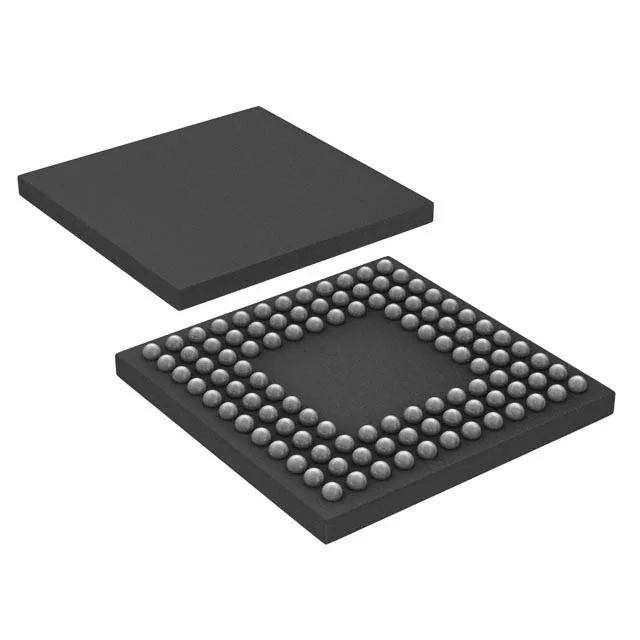
Texas Instruments LM3S2965-IBZ50-A2T — Microcontrollers & Processors (MCU / MPU / DSP)

LM3S2965-IBZ50-A2T Stellaris ARM Cortex-M3 MCU, 50 MHz, 256KB Flash

MPNLM3S2965-IBZ50-A2T
NRND

Texas Instruments Stellaris ARM Cortex-M3S 2000 series MCU, LM3S2965-IBZ50-A2T, 32-bit single-core at 50 MHz, 256KB Flash, 64KB RAM, 56 I/O, CAN, I²C, SPI, UART, 4x10-bit ADC, 108-BGA, -40°C to 85°C.

$19.0180Ref. price · indicative, final on quote
Independent supplier — new & surplus stockAuthenticity-screened · ESD-safe packingListing updated Jul 2026

Specifications

LM3S2965-IBZ50-A2T specifications
ParameterValue
SeriesStellaris® ARM® Cortex®-M3S 2000
MountingSurface Mount
Oscillator typeInternal
Program memory typeFLASH
Voltage - supply (Vcc (Vdd))2.25V ~ 2.75V
Operating temperature-40°C~85°C(TA)
Speed50MHz
PackageTape & Reel (TR)
RAM size64K x 8
Core size32-Bit Single-Core
PeripheralsBrown-out Detect/Reset, POR, PWM, WDT
ConnectivityCANbus, I²C, IrDA, Microwire, QEI, SPI, SSI, UART/USART
Number of i (O)56
Core processorARM® Cortex®-M3
Case108-LFBGA
Data convertersA/D 4x10b
Program memory size256KB (256K x 8)

Product details

50 MHz Cortex-M3 with industrial connectivity

The LM3S2965-IBZ50-A2T is a Texas Instruments Stellaris ARM Cortex-M3 MCU from the M3S 2000 series, built around a 32-bit single-core processor clocked at 50 MHz.

What the 50 MHz core and peripheral set mean for fit

The 50 MHz Cortex-M3 core and 256 KB Flash support real-time control loops and CAN message handling. The 4x10-bit ADC covers basic analog sensing without an external converter.

Frequently asked questions

What is the closest pin-compatible alternative to LM3S2965-IBZ50-A2T?

No official pin-compatible successor is listed from Texas Instruments for this exact order code. For a drop-in replacement, you would need to evaluate other Stellaris M3S 2000 series parts with the same 108-BGA footprint and similar peripheral set — but most are also NRND or EOL.

What is LM3S2965-IBZ50-A2T's listed speed (50 MHz) on this component line?

The core is a 32-bit ARM Cortex-M3 running at 50 MHz, which translates to roughly 62.5 DMIPS — enough for real-time control and CAN bus handling.