80 MHz Cortex-M3 — what the speed rating means for your design
The LM3S1P51-IBZ80-C3: The 80 MHz core clock is the ceiling for this Cortex-M3. At that frequency, the single-cycle multiply and hardware divide give you predictable timing for control loops — think field-oriented motor control or closed-loop PID at several-kHz update rates. The 24 KB SRAM is tight for heavy data buffers; if your application needs large look-up tables or double-buffered ADC results, budget carefully against the 64 KB Flash for constants. The 10-bit ADC with 16 channels is adequate for monitoring analog feedback (current, position, temperature) but not for high-resolution instrumentation.
Texas Instruments has designated the LM3S1P51-IBZ80-C3 as obsolete. For production or repair runs, procurement must turn to the independent surplus and broker channel.
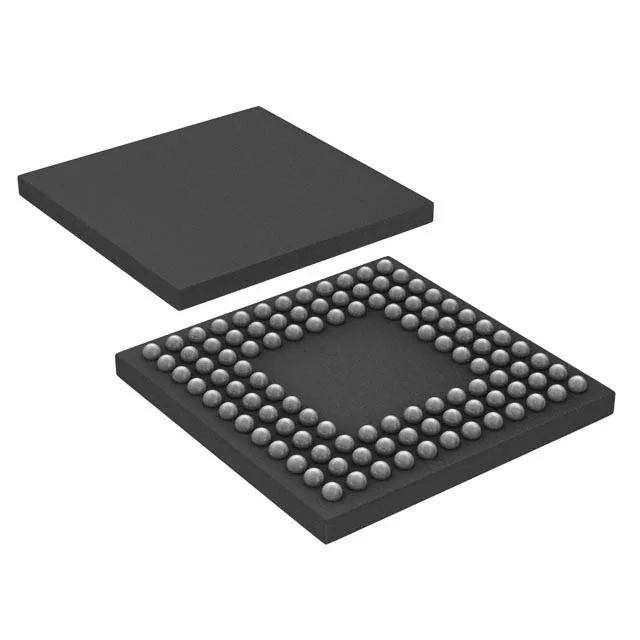
BGA package — layout and rework notes
The 108-ball LFBGA (10x10 mm array) demands a multi-layer PCB with via-in-pad or microvias for signal escape. The 0.8 mm ball pitch is manageable with standard assembly processes, but rework requires a hot-air profile matched to the package's moisture sensitivity level (MSL 3 per typical TI BGA parts — verify the specific MSL on the reel label).