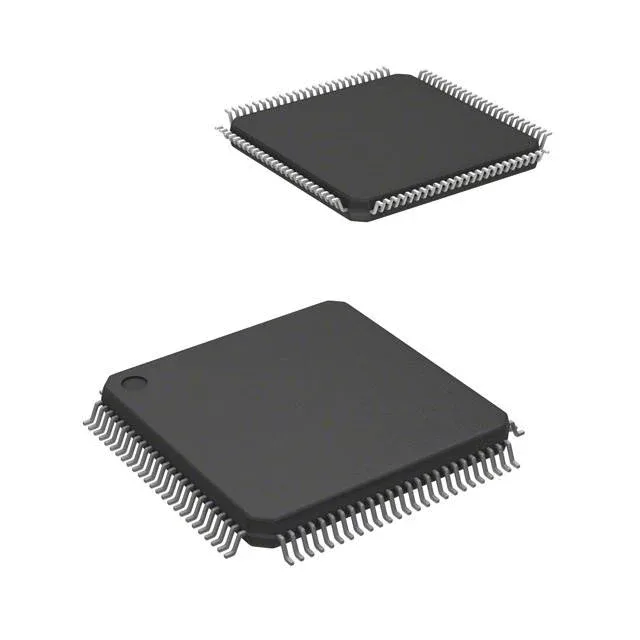
Texas Instruments LM3S1B21-IQC80-C3 — Microcontrollers & Processors (MCU / MPU / DSP)

LM3S1B21-IQC80-C3 Stellaris ARM Cortex-M3 MCU, 80 MHz

MPNLM3S1B21-IQC80-C3
Obsolete

Texas Instruments Stellaris® ARM® Cortex®-M3S 1000 series LM3S1B21-IQC80-C3, 32-Bit Single-Core MCU, 80MHz, 256KB FLASH, 96K x 8 RAM, 100-LQFP, -40°C~85°C.

Sourced new & surplus through independent channelsAuthenticity-screened · ESD-safe packingListing updated Jul 2026

Specifications

LM3S1B21-IQC80-C3 specifications
ParameterValue
SeriesStellaris® ARM® Cortex®-M3S 1000
MountingSurface Mount
Oscillator typeInternal
Program memory typeFLASH
Voltage - supply (Vcc (Vdd))1.08V ~ 3.6V
Operating temperature-40°C~85°C(TA)
Speed80MHz
PackageTray
RAM size96K x 8
Core size32-Bit Single-Core
PeripheralsBrown-out Detect/Reset, DMA, POR, PWM, WDT
ConnectivityEBI/EMI, I²C, IrDA, LINbus, Microwire, SPI, SSI, UART/USART
Number of i (O)67
Core processorARM® Cortex®-M3
Case100-LQFP
Data convertersA/D 8x10b
Program memory size256KB (256K x 8)

Product details

The LM3S1B21-IQC80-C3: This makes it suited for mid-complexity embedded control applications in factory automation, motor drives, outdoor telecom, and industrial instrumentation where a balance of processing throughput, memory, and connectivity is required.

There is no LTB risk to manage because the discontinuation has already occurred — the decision is whether the existing stock in the channel supports the remaining production run or a redesign is needed.

100-LQFP footprint and design-in notes

The exposed pad (if present on this variant — verify against the mechanical drawing) should be stitched to the ground plane with thermal vias to aid heat dissipation, especially if the part is run near the 80 MHz ceiling with multiple peripherals active.

Frequently asked questions

What is the recommended replacement for LM3S1B21-IQC80-C3?

No official replacement part is recorded in the available lifecycle data for this exact order code. A redesign targeting a current-production Cortex-M3 or Cortex-M4 MCU with similar pin count and peripheral mix would be the typical path. The 100-LQFP footprint and 80 MHz performance class are common, so several vendors offer alternatives — but pin-compatibility is not guaranteed without a cross-reference check.