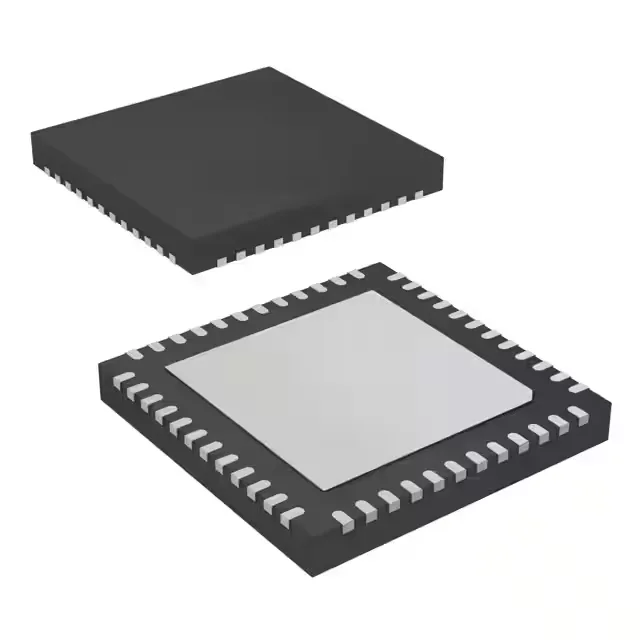
Texas Instruments LM3S101-EGZ20-C2 — Microcontrollers & Processors (MCU / MPU / DSP)

Texas Instruments LM3S101-EGZ20-C2 ARM Cortex-M3 MCU, 20 MHz

MPNLM3S101-EGZ20-C2
End of Life

Texas Instruments Stellaris ARM Cortex-M3S 100 microcontroller, LM3S101-EGZ20-C2, 32-bit single-core, 20 MHz, 8 KB flash, 2 KB RAM, 48-VFQFN exposed pad, -40 to 105 °C, tray.

Sourced new & surplus through independent channelsAuthenticity-screened · ESD-safe packingListing updated Aug 2026

Specifications

LM3S101-EGZ20-C2 specifications
ParameterValue
SeriesStellaris® ARM® Cortex®-M3S 100
MountingSurface Mount
Oscillator typeInternal
Program memory typeFLASH
Voltage - supply (Vcc (Vdd))3V ~ 3.6V
Operating temperature-40°C~105°C(TA)
Speed20MHz
PackageTray
RAM size2K x 8
Core size32-Bit Single-Core
PeripheralsBrown-out Detect/Reset, POR, PWM, WDT
ConnectivityMicrowire, SPI, SSI, UART/USART
Number of i (O)18
Core processorARM® Cortex®-M3
Case48-VFQFN Exposed Pad
Program memory size8KB (8K x 8)

Product details

Memory and speed — what fits in 8 KB flash and 2 KB RAM

The LM3S101-EGZ20-C2: The 20 MHz Cortex-M3 core paired with 8 KB flash and 2 KB RAM (2K x 8) means this part is sized for a single control loop or a state machine that fits in under 6 KB of code — leaving headroom for a small bootloader and a UART command parser. The 2 KB SRAM holds about 500 32-bit variables; a full TCP/IP stack or a GUI frame buffer will not fit without external memory, which this part does not support directly.

Temperature range and on-chip resources

Rated for -40 to 105 °C ambient, the part suits outdoor or under-hood deployment where the internal oscillator's accuracy drift with temperature may be acceptable for basic UART timing. On-chip peripherals include brown-out detect, POR, PWM, and a watchdog timer — enough to replace an external supervisor for simple reset and power-fail handling.

Serial connectivity — what is and is not on-chip

The LM3S101-EGZ20-C2 provides Microwire, SPI, SSI, and UART/USART interfaces — covering the common serial buses for sensor readout, SPI flash, and RS-232/485 links. Notably absent are I2C, CAN, and USB; if the application requires those, an external bridge chip or a different MCU in the Stellaris family is needed. The 18 general-purpose I/O pins are enough for a handful of sensors and a small keypad or LED matrix.

Frequently asked questions

What is the closest pin-compatible alternative to the LM3S101-EGZ20-C2 in the Stellaris family?

Within the same Stellaris ARM Cortex-M3S 100 series, parts like the LM3S102 or LM3S113 (if available) share the same 48-VQFN footprint and peripheral set, differing mainly in flash and RAM size. The base product number LM3S101 indicates the entry-level memory configuration; a higher-numbered sibling in the same package offers more code space without a board spin.