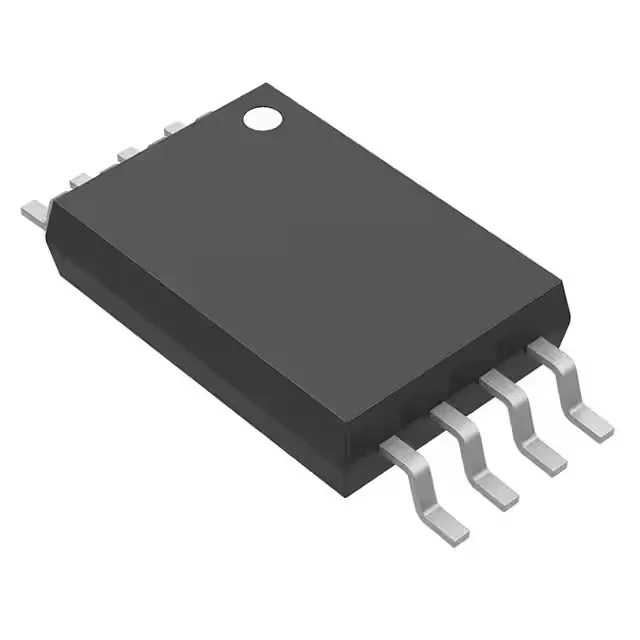
Texas Instruments LM358APWRG4 — Analog & Data Acquisition

LM358APWRG4 General Purpose Op-Amp, 700 kHz GBW

MPNLM358APWRG4
End of Life

Texas Instruments LM358APWRG4, dual general-purpose op-amp, 700 kHz gain-bandwidth product, 0.3 V/µs slew rate, 3 V to 30 V supply, 500 µA supply current per channel, 0°C to 70°C, 8-TSSOP, Tape & Reel.

StockContact for availability
MOQ1 pcs
  • 100% new & originalTraceable channels only — no refurbs, no pulls, no remarked parts.
  • Date & lot codes on quoteStated per line before you commit; label photos on request.
  • MSL-compliant ESD packingMoisture-sealed bags with indicator cards; reels photo-verified.
  • PayPal buyer protectionPay by T/T, PayPal or Payoneer — card payments covered end to end.

Specifications

LM358APWRG4 Technical Specifications
ParameterValue
Mounting typeSurface Mount
Amplifier typeGeneral Purpose
Voltage - input offset2 mV
Voltage - supply span30 V
Current - supply500µA (x2 Channels)
Current - input bias15 nA
Current - output (Channel)40 mA
Operating temperature0°C~70°C(TA)
Gain bandwidth product700 kHz
PackageTape & Reel (TR)
Slew rate0.3V/µs
Case8-TSSOP (0.173\", 4.40mm Width)
Number of circuits2

Product details

Dual op-amp in 8-TSSOP — 700 kHz GBW sets the usable bandwidth

It delivers a 700 kHz gain-bandwidth product and a 0.3 V/µs slew rate, operating from a single or split supply spanning 3 V to 30 V. Each amplifier draws 500 µA of supply current, making it a fit for power-conscious designs that do not require rail-to-rail output swing.

For a non-inverting gain of 10, the offset at the output is 20 mV before any trimming — acceptable for many sensor-conditioning and signal-buffering roles but not for precision DC measurement without calibration.

Frequently asked questions

What is the closest pin-compatible alternative to the LM358APWRG4 in the same family?

The LM358APWRG4 is a Tape & Reel variant of the base LM358 series. Pin-compatible alternatives within the family include the LM358P (PDIP) and LM358DR (SOIC) — the key difference is package and reel format, not electrical performance.