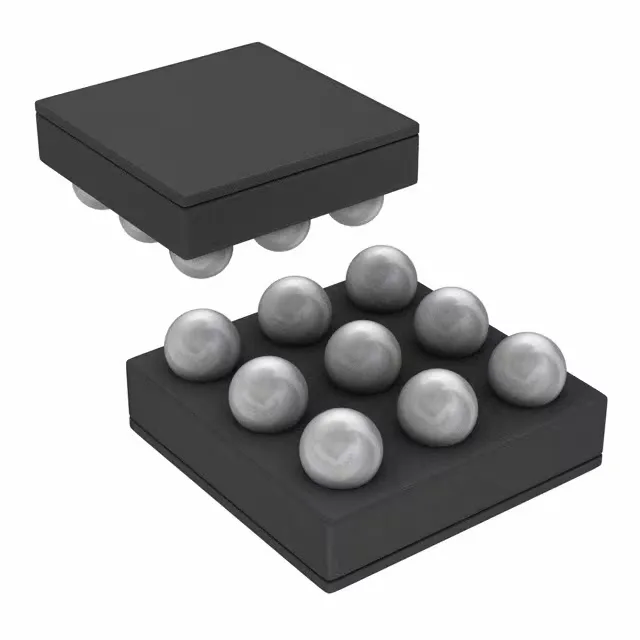
Texas Instruments LM3508TL/NOPB — Power Management (PMIC / Gate Driver)

LM3508TL/NOPB LED Driver IC – TI Boost Regulator, 30 mA

MPNLM3508TL/NOPB
Active

Texas Instruments LM3508TL/NOPB, DC-DC boost regulator, PWM dimming, 850 kHz switching, 17.5 V output, 30 mA per channel, 9-WFBGA DSBGA package, active production.

$1.3500Ref. price · indicative, final on quote
Packaging9-WFBGA, DSBGA
RoHSROHS3 Compliant
Independent supplier — new & surplus stockAuthenticity-screened · ESD-safe packingListing updated Aug 2026

Specifications

LM3508TL/NOPB specifications
ParameterValue
TypeDC DC Regulator
MountingSurface Mount
Voltage - output17.5V
Supply voltage5.5V
Current - output (Channel)30mA
Frequency850kHz
I/O channels1
Operating temperature-30°C~85°C(TA)
DimmingPWM
PackageTape & Reel (TR); Cut Tape (CT)
TopologyStep-Up (Boost)
ApplicationsBacklight
Case9-WFBGA, DSBGA
Internal switchYes

Product details

Boost regulator for single-string LED backlight

The LM3508TL/NOPB is a step-up (boost) DC-DC regulator from Texas Instruments, purpose-built for driving a single LED string in backlight applications. It integrates the switching FET internally and delivers up to 30 mA per channel at a regulated output voltage up to 17.5 V. PWM dimming input is provided directly, so the host processor or backlight controller can vary brightness without an external PWM transistor.

850 kHz switching — inductor sizing and EMI

At this frequency the fundamental ripple sits below 1 MHz, which helps pass conducted emission limits without a complex input filter. The 5.5 V absolute max means a 5 V rail is safe — no external clamp needed.

The 0.50 mm pitch BGA requires a 2-layer or 4-layer board with micro-vias for fan-out — plan the PCB stack-up before committing the layout.

Frequently asked questions

Is the LM3508TL/NOPB compatible with a 5 V input?

Yes.

Can the LM3508TL/NOPB drive multiple LEDs?

It drives a single series string of LEDs. The boost output can reach 17.5 V, so with a typical 3.2 V white LED you can stack up to 5 LEDs in series (5 × 3.2 V = 16 V, leaving headroom for the current-sense resistor). The 30 mA per channel rating sets the string current.