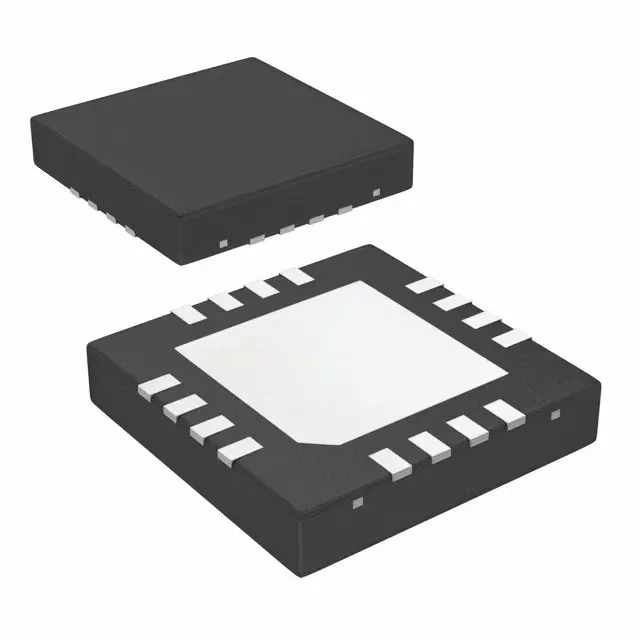
Texas Instruments LM3503SQX-16/NOPB — Power Management (PMIC / Gate Driver)

LM3503SQX-16/NOPB DC DC Regulator, 1 MHz Boost, 16 V Output

MPNLM3503SQX-16/NOPB
Obsolete

Texas Instruments LM3503SQX-16/NOPB, DC DC Regulator, Step-Up (Boost), 1 MHz, 16 V output, 400 mA switch current, 2.5 V to 5.5 V supply, Analog/PWM dimming, 16-WFQFN Exposed Pad, -40°C to 85°C.

Independent supplier — new & surplus stockAuthenticity-screened · ESD-safe packingListing updated Jul 2026

Specifications

LM3503SQX-16/NOPB specifications
ParameterValue
TypeDC DC Regulator
MountingSurface Mount
Voltage - output16V
Supply voltage5.5V
Current - output (Channel)400mA (Switch)
Frequency1MHz
I/O channels2
Operating temperature-40°C~85°C(TA)
DimmingAnalog, PWM
PackageTape & Reel (TR)
TopologyStep-Up (Boost)
ApplicationsBacklight
Case16-WFQFN Exposed Pad
Internal switchYes

Product details

Boost regulator for backlight — obsolete, sourced per RFQ

The Texas Instruments LM3503SQX-16/NOPB is a DC DC Regulator using a Step-Up (Boost) topology, designed primarily for backlight applications. It integrates two internal switches and supports both Analog and PWM dimming control. Switching at 1 MHz, the part delivers a regulated output up to 16 V with a switch current limit of 400 mA per channel.

Parametric profile — 1 MHz switching, 16 V ceiling

The 1 MHz switching frequency allows the use of small-value inductors and ceramic capacitors, keeping the total solution footprint compact. Two outputs share the 400 mA switch current budget — the designer must allocate current per channel within that ceiling.

Lifecycle — obsolete, no direct successor on record

For new designs, a pin-compatible alternative from the same functional family should be evaluated.

Frequently asked questions

What is the closest pin-compatible alternative to LM3503SQX-16/NOPB?

For a drop-in replacement, the LM3503 family base number (LM3503) shares the same footprint and pinout across density variants, but each variant's output voltage and current ratings differ — verify the specific variant against the BOM requirements.