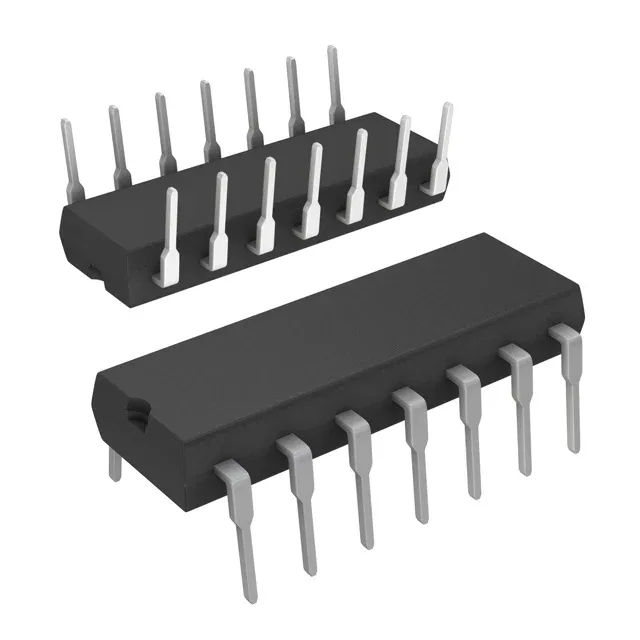
Texas Instruments LM324NE4 — Analog & Data Acquisition

TI LM324NE4 LinCMOS™ Quad Op-Amp, 1.2 MHz, 14-PDIP

MPNLM324NE4
End of Life

Texas Instruments LinCMOS™ series, LM324NE4, quad general-purpose op-amp, 1.2 MHz gain bandwidth, 1.5 mA supply current, 3 V to 32 V supply span, 14-PDIP through-hole package, 0°C to 70°C operating temperature.

$0.6600Ref. price · indicative, final on quote
Independent supplier — new & surplus stockAuthenticity-screened · ESD-safe packingListing updated Jul 2026

Specifications

LM324NE4 specifications
ParameterValue
SeriesLinCMOS™
MountingThrough Hole
Amplifier typeGeneral Purpose
Voltage - input offset2 mV
Voltage - supply span32 V
Current - supply1.5mA
Current - input bias45 nA
Current - output (Channel)40 mA
Operating temperature0°C~70°C(TJ)
Gain bandwidth product1.2 MHz
PackageTube
Case14-DIP (0.300\", 7.62mm)
Number of circuits4

Product details

Quad op-amp with wide supply range — 3 V to 32 V

It operates across a supply span of 3 V to 32 V, covering both 5 V logic rails and 24 V industrial supplies without a secondary regulator. Each amplifier delivers a gain bandwidth product of 1.2 MHz and a typical input offset voltage of 2 mV, with an input bias current of 45 nA. The total supply current for all four amplifiers is 1.5 mA, making it a power-efficient choice for multi-channel signal conditioning.

It is not specified for automotive or outdoor industrial applications without additional qualification screening.

For current production runs, the buyer can commit the BOM line without planning for a phasedown or alternate qualification.

Frequently asked questions

Is LM324NE4 equivalent to LM324N?

The LM324NE4 is a Texas Instruments LinCMOS™ version of the standard LM324 quad op-amp. It is pin-compatible with the industry-standard LM324N in a 14-pin DIP package, sharing the same function and supply range. The LinCMOS™ process gives it lower supply current (1.5 mA total) compared to some bipolar LM324 variants. For a drop-in replacement in existing sockets, confirm the temperature grade and offset voltage requirements against your design.