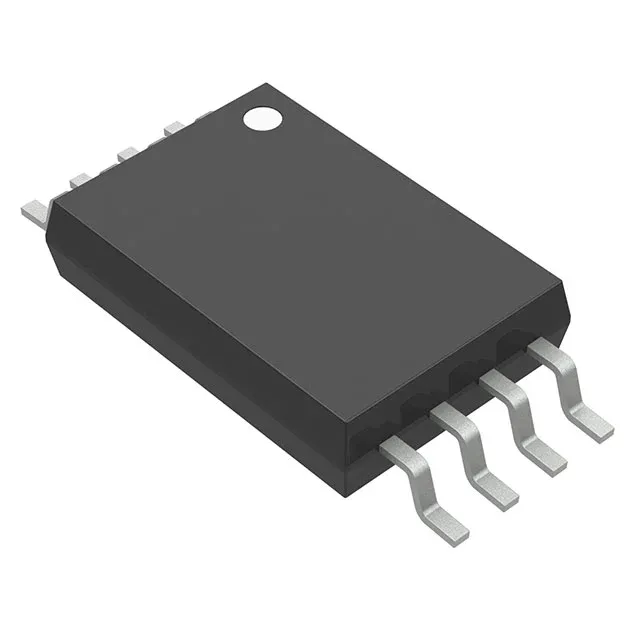
The LM317LIPW: No need to qualify a substitute or stockpile for a last-time buy.
100 mA output — the load budget decider
This is the low-current member of the LM317 family: 100 mA maximum output, versus the 1.5 A of the standard LM317. That rating sets the load budget — if your rail needs more than 100 mA continuous, this part drops out of regulation. For sensor bias, op-amp rails, or low-power MCU supplies, it fits cleanly. Output is adjustable from 1.2 V up to 32 V, set by two external resistors. The single positive regulator configuration covers most low-dropout local rails.
PSRR and protection — what the 80 dB buys you
PSRR is specified at 80 dB to 65 dB at 120 Hz — typical for a three-terminal adjustable regulator. That 80 dB at line frequency means the output ripple from a full-wave rectifier is attenuated by a factor of 10,000; the 65 dB floor at higher frequencies still knocks down switching noise from a pre-regulator. If the load draws spikes above 100 mA, the over-current and short-circuit protection clamp the output without latch-up. Quiescent current is 2.5 mA typical — the adjustment pin current adds about 50 µA to the total, negligible in most battery-powered designs.
The exposed die attach pad is not present on this package — thermal management relies on the copper pour on the PCB under the body. For 100 mA at moderate dropout, the junction stays below 125°C with standard 1 oz copper and a 25°C ambient. Input voltage max is 38 V; the absolute maximum junction temperature is 150°C, so derate power dissipation above 25°C.
Industrial temperature grade — where it goes
The 38 V input ceiling handles 24 V industrial rails with headroom for transients.