What this regulator delivers — and where it doesn't fit
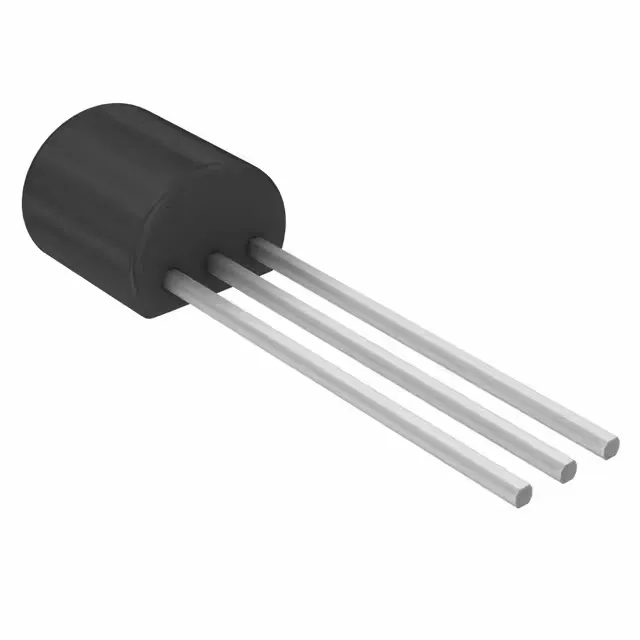
The LM317LILP is a 100 mA adjustable positive regulator in a TO-92-3 through-hole package from Texas Instruments. It covers a 1.2 V to 32 V output range from a 38 V max input. Protection features — over-current, over-temperature, short-circuit — are built in, so a momentary output short won't kill the part.
Output current, PSRR, and quiescent current — the numbers that matter
At 100 mA output, the LM317LILP is a low-current rail builder. The quiescent current is 2.5 mA typ — that's the overhead the regulator burns just to regulate, so at a 10 mA load the efficiency is already below 80%. For battery-powered designs, that Iq matters. PSRR runs 80 dB to 65 dB at 120 Hz, which is typical for a three-terminal adjustable regulator. The 80 dB figure applies at lower output voltages; as the output voltage rises toward 32 V, the PSRR drops to 65 dB. That's enough to clean up 120 Hz ripple from a rectified mains supply but not for a switching pre-regulator at 100 kHz — the PSRR at higher frequencies is not specified here.
Active production — no end-of-life clock ticking
The TO-92-3 package and through-hole mounting mean it's a straightforward hand-assembly or wave-solder part — no reflow profile to qualify. Sourcing is through our distributor network against an RFQ.