What the LM317LCLPR is and who needs it
It delivers up to 100 mA output current with an adjustable output from 1.2 V up to 32 V, given a maximum input of 38 V. This is the low-current variant — think biasing a small analog rail, powering an op-amp front-end, or providing a clean reference for a low-power sensor, not a main logic rail. The part includes built-in over-current, over-temperature, and short-circuit protection, which means it can survive a momentary output short without external foldback circuitry. The quiescent current is 2.5 mA — modest for a linear regulator, but not ultra-low-power; it matters if the load is in the microamp range.
PSRR and noise rejection — the 120 Hz number
The LM317LCLPR lists a power-supply rejection ratio of 80 dB to 65 dB at 120 Hz. That 80 dB figure at the low end means the regulator attenuates 100 mV of input ripple to about 100 µV on the output — relevant if you are feeding an audio circuit or a precision ADC reference from a rectified mains supply. The drop to 65 dB at higher ripple frequencies is typical for a three-terminal regulator; if you need better rejection above a few kilohertz, a post-filter or an LDO with higher bandwidth is the next step.
Package and rework — TO-92-3 with formed leads
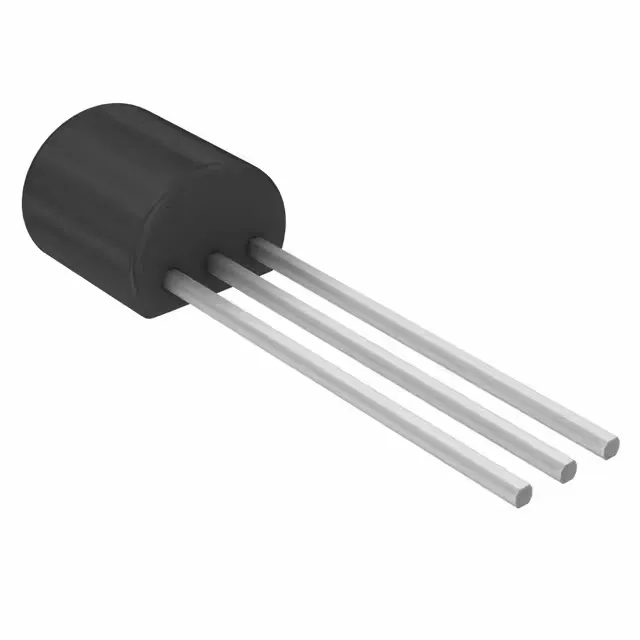
This part comes in the TO-226-3 / TO-92-3 package with formed leads, a through-hole package that is a dream for rework. The three leads are on 0.050-inch pitch; the formed leads let it sit flat on the board or plug into a socket. Under a hot-air station, the TO-92 body heats quickly and lifts cleanly — no risk of lifted pads as you get with a small SOT-23.
The base product number is LM317, so any LM317 family cross-reference (LM317T, LM317LZ) shares the same die but differs in package and current rating. For a BOM line, this part is single-sourced to Texas Instruments — no official second-source with the same suffix. If you need a drop-in alternative, the LM317LZ from ON Semiconductor or STMicroelectronics is the same TO-92 package and pinout, but confirm the lead form and temperature range against your assembly house.