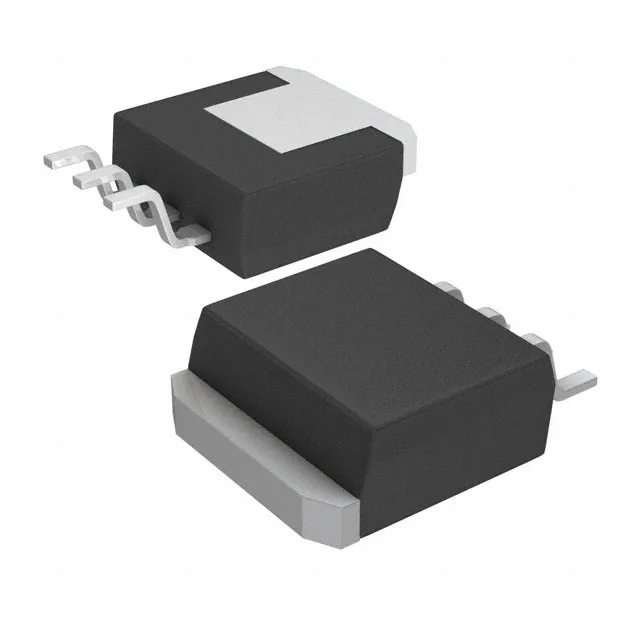
Texas Instruments LM317KTTRG3 — Power Management (PMIC / Gate Driver)

LM317KTTRG3 Adjustable Regulator, 1.5 A, TO-263 D²Pak

MPNLM317KTTRG3
Active

Texas Instruments LM317KTTRG3, adjustable positive voltage regulator, 1.5 A output, 40 V input max, 1.25 V to 37 V output range, PSRR 80 dB ~ 65 dB (120 Hz), TO-263-4 D²Pak surface mount, 0°C to 125°C operating temperature.

$0.8800Ref. price · indicative, final on quote
Independent supplier — new & surplus stockAuthenticity-screened · ESD-safe packingListing updated Jul 2026

Specifications

LM317KTTRG3 specifications
ParameterValue
Output typeAdjustable
MountingSurface Mount
Voltage - input40V
Voltage - output37V
Voltage - output (Min (Fixed))1.25V
Output current1.5A
Current - quiescent10 mA
Operating temperature0°C~125°C
PSRR80dB ~ 65dB (120Hz)
PackageTape & Reel (TR); Cut Tape (CT)
CaseTO-263-4, D²Pak (3 Leads + Tab), TO-263AA
Protection featuresOver Current, Over Temperature, Short Circuit
Number of regulators1
Output configurationPositive

Product details

Adjustable 1.5 A regulator in a rework-friendly D²Pak

The Texas Instruments LM317KTTRG3 is a classic adjustable positive voltage regulator in a TO-263-4 (D²Pak) surface-mount package. It delivers up to 1.5 A output current from a 40 V maximum input, with an adjustable output range from 1.25 V to 37 V set by two external resistors. The 1.5 A rating covers most board-level loads up to about 7 W before the thermal limit of the D²Pak tab becomes the constraint.

PSRR and ripple rejection at line frequency

The LM317KTTRG3 specifies a PSRR of 80 dB to 65 dB at 120 Hz — that is the full-wave-rectified ripple frequency from a 60 Hz mains supply. 80 dB means the ripple on the output is about 10,000 times smaller than the ripple on the input. At the lower end of the range, 65 dB still knocks down 120 Hz ripple by a factor of roughly 1,800. This matters when the regulator feeds a sensitive analog stage like an op-amp front-end or a VCO.

Built-in fault survival

On-chip protection covers over-current, over-temperature, and short-circuit conditions. That means the regulator shuts itself down before the bond wires fuse or the die cracks under a sustained overload. For a board-level repair tech, this is the difference between a part that can be reworked after a fault and one that has to be replaced along with the load it took out.

Package and thermal reality for the rework bench

The TO-263-4 (D²Pak) has a large copper tab that is electrically the output pin (Vout). The tab is also the primary heat path — a hot-air rework station set to 300 °C to 350 °C on the tab side will lift the part cleanly if the board has been preheated. The three leads are on a 2.54 mm pitch, easy to inspect and touch up with a fine iron.

Frequently asked questions

What is the output current rating of the LM317KTTRG3?

The LM317KTTRG3 is rated for 1.5 A output current. That is the continuous maximum at the stated input-output differential and with adequate heatsinking through the D²Pak tab.

What is the PSRR of the LM317KTTRG3 at 120 Hz?

The PSRR is specified as 80 dB to 65 dB at 120 Hz. The higher figure applies at lower output currents and lower input-output differentials; the lower figure is the worst-case across the operating range.

Does the LM317KTTRG3 require a heatsink?

Without that copper plane, the die will hit the over-temperature protection threshold and the output will fold back. For low-drop, low-current applications, the copper pad alone may suffice — but always calculate the junction temperature from the thermal resistance of the board layout.