The 1V maximum dropout at full load means the input rail must stay above 6V to maintain regulation — a 5V rail from a 6.5V-to-26V source is the intended use case. The 64dB PSRR at 120Hz gives 2.5 mVpp ripple rejection on a 5V rail — adequate for driving analog front-ends or sensor bias, though not as aggressive as modern LDOs with 70+ dB at 1 kHz.
Protection features and quiescent draw
Built-in protection includes over-current, over-temperature, reverse polarity, and short-circuit — all standard for a robust linear regulator. The 10 mA quiescent current is typical for a 1A-class LDO from this era; it adds 50 mW of ground-pin dissipation at 5V output, which is negligible against the 1A load loss but matters in always-on battery-backed rails. Maximum supply current is 15 mA, confirming the quiescent figure is stable across load and temperature.
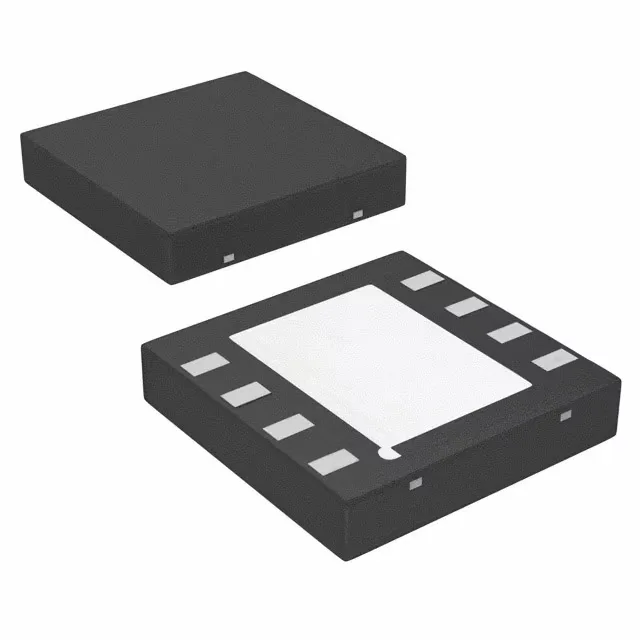
The closest functional drop-in is the through-hole LM2940T-5.0, which shares the same die and 5V fixed output but differs in package and thermal path — the WSON version requires a different PCB footprint and reflow profile. Because the part is obsolete, date-code consistency and lot traceability become critical. Every reel should be inspected for marking font, pad oxidation, and reflow compatibility — the 8-WSON exposed pad is a common target for re-marked or sanded counterfeit parts. We quote each lot against the BOM quantity and can provide photos of the actual stock before commitment.