What the 500 mA output rating means for your rail
The LM2937ET-15/NOPB delivers a fixed 15 V output at up to 500 mA continuous. That 500 mA ceiling sets the load budget for the downstream circuitry — if your BOM calls for 15 V at 400 mA steady-state, this part has headroom; if the load peaks at 480 mA with transients, the margin is tight and a heatsink becomes mandatory. Dropout is specified at 1 V maximum at 50 mA load. For a 15 V output, the input must stay above 16 V (15 V + 1 V) to maintain regulation; below that the output follows the input minus the dropout voltage. In a 24 V industrial bus system, that headroom is generous — but in a 12 V battery-backed rail, 16 V minimum input means this regulator cannot start until the bus is already boosted. The 2 mA Iq is modest for a 500 mA LDO — it will not dominate standby losses in always-on applications, but the 20 mA max supply current under heavy load or fault conditions should be factored into the input rail fuse sizing.
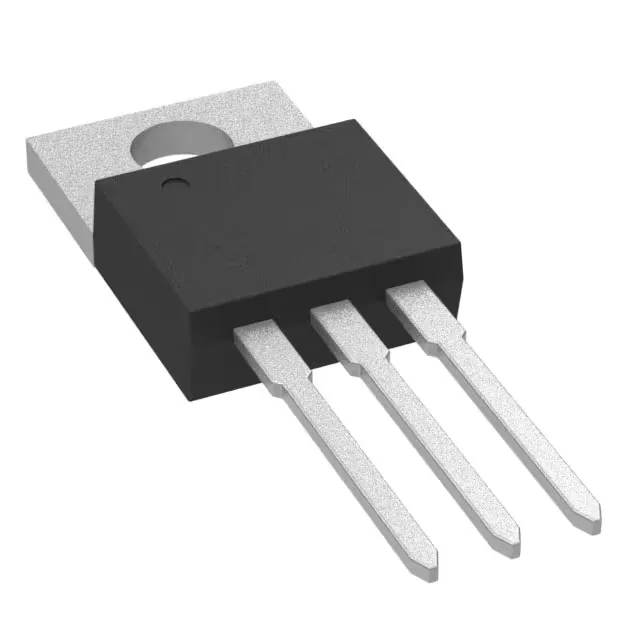
Built-in protection covers over-temperature, reverse polarity, and short circuit. Reverse polarity protection is a practical advantage in field-wired 24 V systems where the supply can be accidentally reversed — the regulator survives the fault without an external series diode. The TO-220-3 package (through-hole) provides a low thermal resistance path to a heatsink — the tab is the output pin, so the heatsink is at 15 V potential and must be isolated from chassis ground.
Sourcing posture and lifecycle
Availability is confirmed per RFQ; we source against your BOM quantity from franchised and independent channels.